

Introduction
“Your liver never takes a day off, it is constantly working behind the scenes. The surprising part? It may respond to changes in your daily habits long before you notice them yourself.”
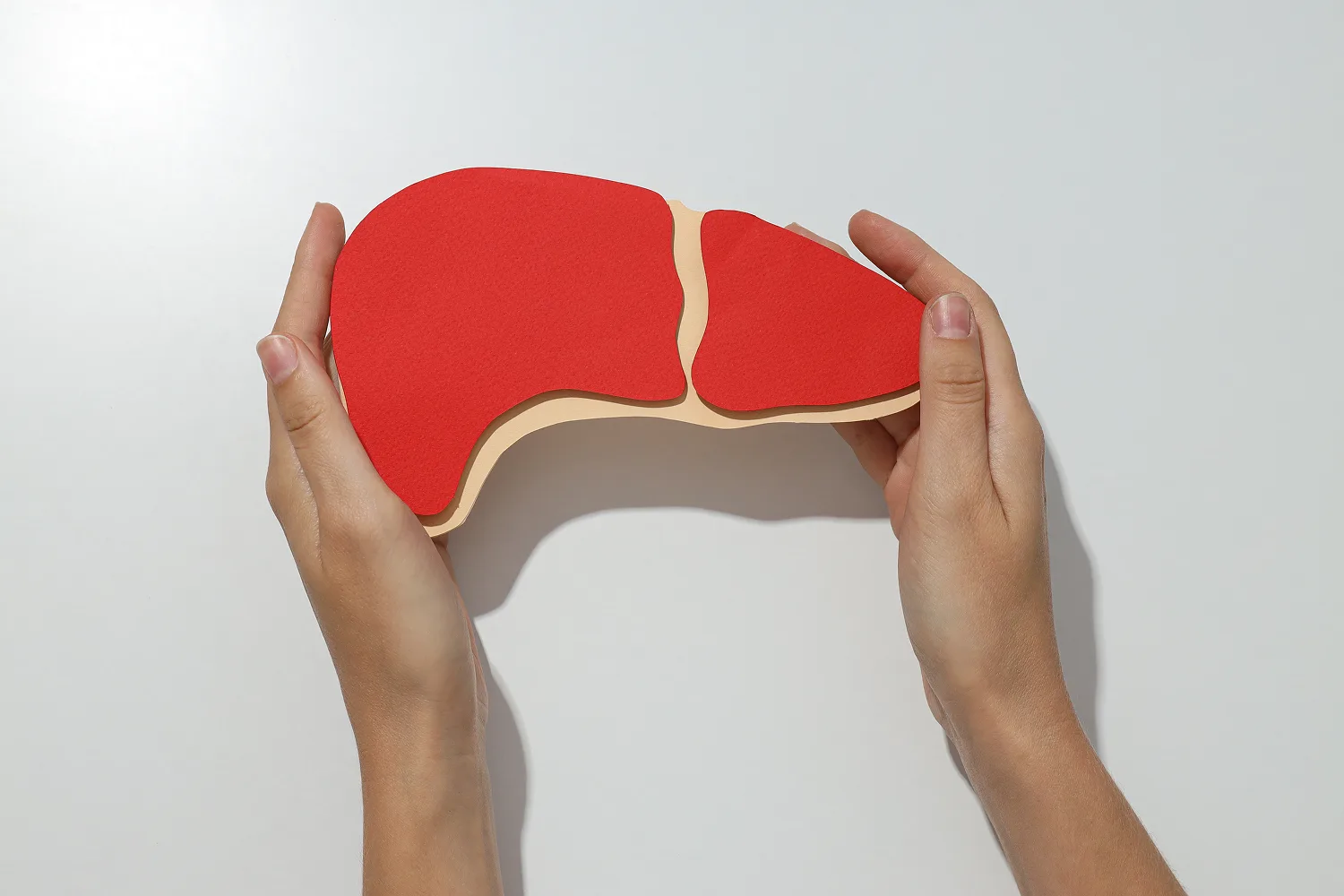
Most people do not think much about their liver. It is not something you can feel working, and it rarely gets attention unless there is a problem. Yet the liver is one of the hardest-working organs in the body.
Every day, it helps process nutrients from food, supports metabolism, and performs many important functions that keep the body running smoothly. Because it is involved in so many daily processes, the liver often responds to lifestyle habits before those habits become obvious in how you feel.
So what exactly does your liver notice before the rest of your body does?
Why Is Your Liver Always Working?
Unlike many parts of the body that get periods of rest, the liver works around the clock.
After every meal, your liver helps process nutrients and supports normal metabolic activities. It also helps manage how the body uses and stores energy. Because these processes happen every day, the liver is closely connected to many of your daily habits.
This means your food choices, sleep schedule, activity level, and stress levels can all influence the environment in which your liver operates.
Does Your Liver Notice Your Eating Habits?
One of the first things your liver responds to is what you eat.
Think about a typical week. Some days you may enjoy balanced meals filled with fruits, vegetables, and whole foods. Other days may involve fast food, sugary snacks, or meals grabbed on the go.
Your liver helps process nutrients from all of these foods. While occasional indulgences are part of a balanced lifestyle, consistent eating patterns matter most.
Over time, healthy eating habits can support overall liver wellness and help your body function at its best. This is why nutrition is often considered one of the foundations of liver health.
Can Your Liver Tell When You Are Not Sleeping Enough?
Many people focus on diet but overlook sleep.
A few late nights may not seem like a big deal, but sleep is when the body carries out many recovery and maintenance processes. When sleep becomes inconsistent, other parts of your daily routine often become inconsistent too.
You may feel less motivated to exercise, make different food choices, or rely on extra caffeine to stay energized.
Because the liver is closely connected to metabolism and overall wellness, healthy sleep habits can play an important role in supporting liver function.
What About Stress?

Stress is a normal part of life. However, busy schedules and ongoing stress often change the way people live.
When life becomes stressful, many people sleep less, skip meals, exercise less often, or rely on convenience foods. These changes may seem small at first, but they can gradually become habits.
The liver is involved in many of the body’s daily metabolic processes, which means it is working through these lifestyle changes right alongside the rest of the body.
Managing stress is not only important for mental well-being. It can also support healthier daily habits that benefit overall wellness.
Does Your Liver Notice How Active You Are?
Movement matters.
Regular physical activity supports overall health in many ways. It helps people maintain healthy routines and encourages other positive lifestyle habits.
You do not need intense workouts every day. Simple activities such as walking, stretching, gardening, or staying active throughout the day can support overall wellness.
Why Small Patterns Matter More Than Single Days
One healthy meal will not transform your wellness overnight. Likewise, one unhealthy meal does not define your health.
The same is true for sleep, exercise, and stress.
What matters most is the pattern.
Your liver responds to the habits you repeat over time. Consistent healthy choices help create an environment that supports overall liver wellness and long-term health goals.
Small Daily Habits That Support Overall Liver Wellness

Supporting your liver does not require complicated routines.
Start with habits you can maintain:
- Eat balanced meals rich in fruits, vegetables, fiber, and whole foods.
- Stay hydrated throughout the day.
- Aim for consistent, quality sleep.
- Stay physically active on most days.
- Find healthy ways to manage stress.
- Limit reliance on highly processed foods when possible.
Final Takeaway
Your liver is constantly responding to the choices you make every day. From the foods you eat to the amount of sleep you get, your daily habits help shape your overall wellness.
The good news is that your liver does not need perfection. What it benefits from most is consistency.
Healthy meals, regular movement, quality sleep, stress management, and supportive wellness habits can all play a role in maintaining liver health over time. Small changes may seem simple, but they can add up to support a healthier future.