

Introduction
“Vaginal probiotics are everywhere. But does the science match the hype?”
Scroll through social media long enough, and you may see vaginal probiotics described as the next must-have step in women’s wellness. One person swears by them. Another says they are unnecessary. Then there are product labels filled with terms like CFUs, Lactobacillus, microbiome, and pH balance.
So, what should you actually believe?
The truth is more interesting than the trend. Vaginal probiotics are not all the same, and their potential benefits depend on factors such as the probiotic strains used and the overall formula. Understanding how your vaginal microbiome works can help you separate viral claims from verified science and make a more informed choice for your wellness routine.
What Does Your Vaginal Microbiome Actually Do?

Your vagina has its own community of microorganisms called the vaginal microbiome. While the word “bacteria” may sound concerning, many bacteria naturally live in and on the body and play useful roles.
In many healthy vaginal microbiomes, bacteria from the Lactobacillus group are commonly found. These beneficial bacteria produce substances such as lactic acid, which help maintain the naturally acidic environment of the vagina. This environment is part of the body’s normal system for supporting a balanced vaginal ecosystem.
However, the vaginal microbiome is not fixed. Hormonal changes, menstruation, sexual activity, stress, and other lifestyle habits may influence its balance over time. This is one reason interest in probiotics for vaginal health has grown.
So, What Are Vaginal Probiotics Supposed to Do?
Vaginal probiotics are supplements formulated with beneficial bacteria selected to support the vaginal microbiome. Many formulas include different types of Lactobacillus probiotics, but the exact strains can vary widely from one product to another.
Think of your vaginal microbiome as a small garden. Simply adding more plants does not guarantee a healthy garden. You need the right types of plants and an environment where they can grow.
Probiotics work in a similar way. The goal is not simply to consume the highest number of bacteria possible. The specific strains, formulation, quality, and consistency of use can all matter.
This is where some online claims about vaginal probiotics can become misleading.
Viral vs. Verified: What Should You Really Believe?

Viral claim: Any probiotic can support vaginal health.
Verified: Probiotics are not interchangeable. Different strains can have different characteristics and have been studied for different areas of health. A probiotic designed mainly for digestive wellness may not contain the same strains as a formula developed specifically to support women’s vaginal health.
Viral claim: More CFUs always mean a better probiotic.
Verified: CFU stands for colony-forming units and tells you how many viable microorganisms are provided. While this number is useful, bigger is not automatically better. The types of strains, how the product is made, and whether the microorganisms remain viable through the stated shelf life are also important considerations.
Viral claim: Vaginal probiotics are a quick fix for every concern.
Verified: Probiotics are dietary supplements, not treatments for medical conditions. They support a balanced vaginal microbiome, but they should not replace appropriate medical care when symptoms are persistent, unusual, or concerning.
What Should You Look for in a Vaginal Probiotic?
Start with the probiotic strains listed on the Supplement Facts label. Instead of choosing a product only because it says “women’s probiotic” on the front, look for clearly identified bacteria and research related to their intended use.
Next, check the CFU count and serving instructions. A trustworthy label should make it easy to understand what you are taking and how to use it.
Quality also matters. Look for products made under recognized manufacturing standards and brands that are transparent about their testing and ingredient sourcing. These details may not be as exciting as a viral video, but they can tell you much more about the supplement you are buying.
Finally, consider convenience. A probiotic only fits your wellness routine if you can take it consistently as directed.
Final Takeaway
So, do vaginal probiotics really work?
The answer is not a simple yes or no. Research continues to explore how specific probiotic strains may support the vaginal microbiome and healthy vaginal flora. What is clear is that not every probiotic is designed for the same purpose, and no supplement should be expected to work like magic.
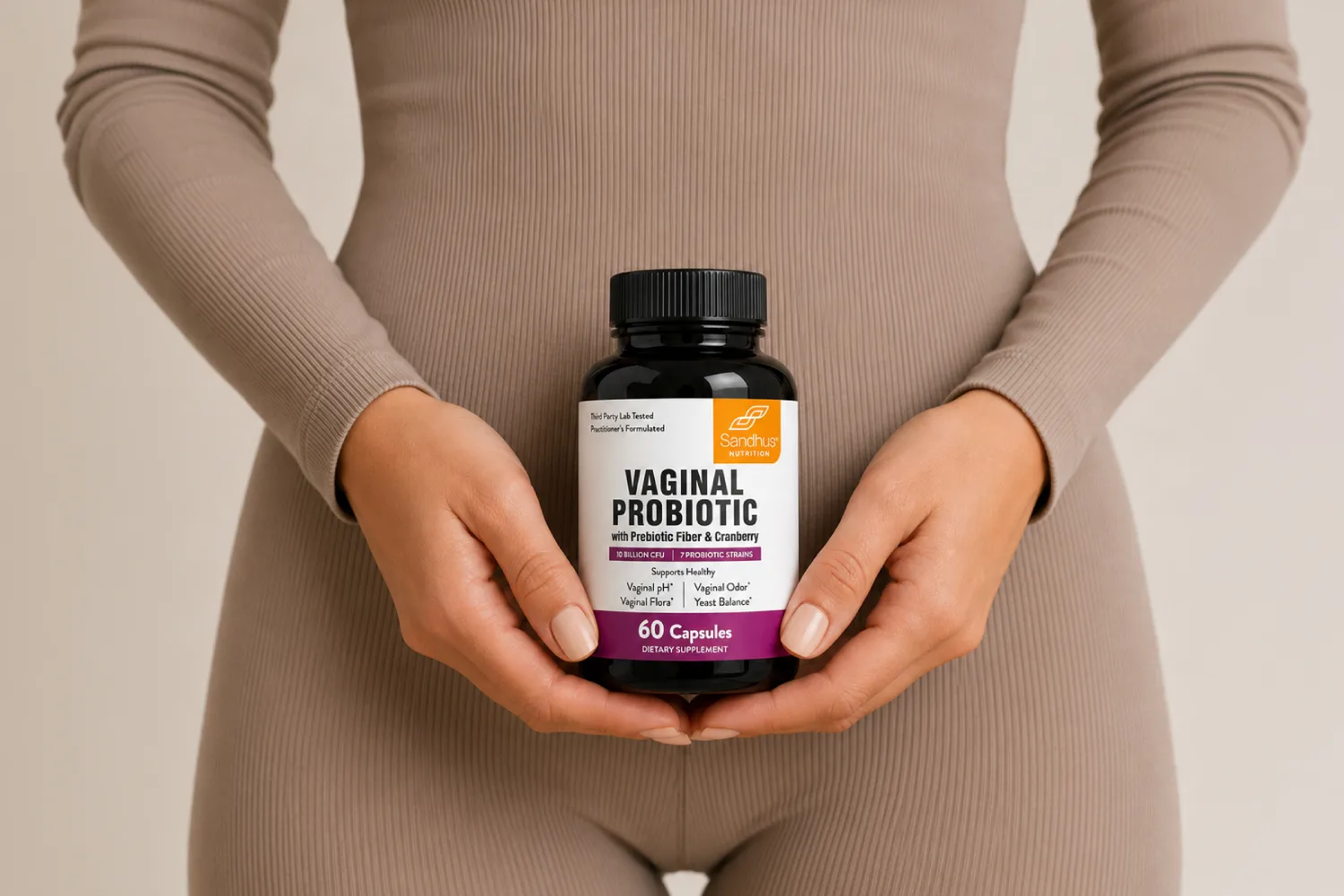
A thoughtfully formulated Vaginal probiotic may be one way to support a balanced vaginal microbiome as part of a broader wellness routine. Look for clearly identified probiotic strains, transparent labeling, thoughtful formulation, and trusted quality standards.
Because when it comes to vaginal wellness, the best choice is not always the one making the most noise online. It is the one that makes sense for your body, your routine, and your wellness goals.