

Introduction
“Breathing should feel smooth and easy. But what if simple daily habits, like the tea you drink, play a role in how comfortable your breathing feels?”
Most of us do not think about breathing until it feels off. May be your chest feels heavy at times. May be dry air, seasonal changes, or pollution make breathing feel less comfortable than usual. These are not always serious problems, but they can affect how you feel throughout the day.
This is why many people look for gentle, daily wellness habits that support breathing comfort. One herbal tea that often comes up in these conversations is mullein tea. It has a long history of traditional use and is still popular today for people who want simple, plant-based support.
In this blog, we will look at what mullein tea is, why breathing can sometimes feel uncomfortable, and how drinking mullein tea may support comfortable breathing in a gentle, everyday way.
What Is Mullein Tea?
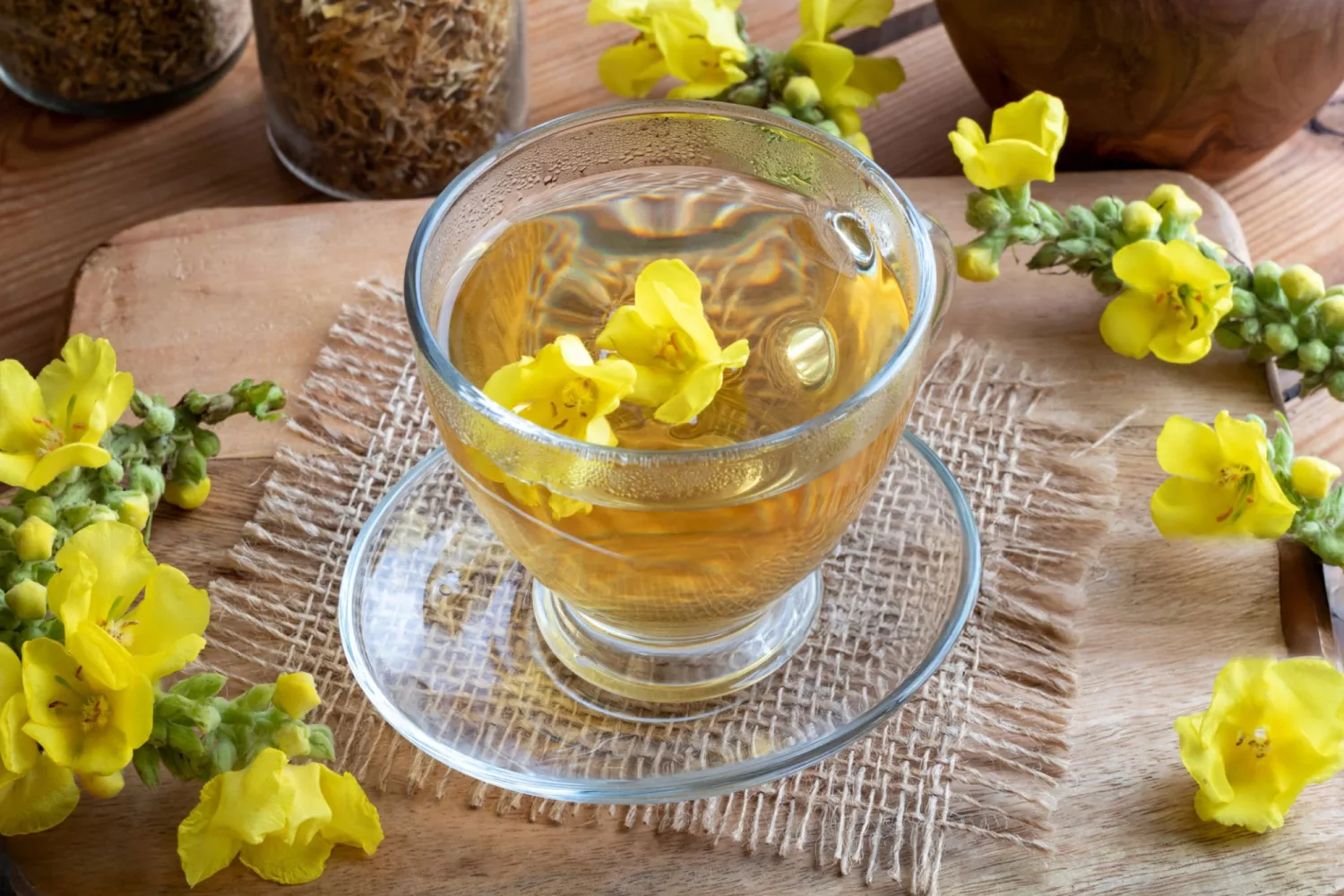
Mullein tea is made from the dried leaves of the mullein plant. This tall plant with soft, fuzzy leaves has been used in traditional herbal practices for centuries, especially in relation to the lungs and chest.
The leaves contain natural plant compounds that become active when steeped in hot water. When prepared correctly, mullein tea has a mild taste and a soothing feel, making it easy to include in a daily routine.
People often choose mullein tea because it feels simple and familiar. It is not about strong stimulation. It is about calm, steady support.
Why Breathing Can Feel Uncomfortable at Times
Breathing discomfort does not always mean illness. Many everyday factors can affect how open and comfortable your breathing feels.
Dry air from heaters or air conditioners can irritate the throat and chest. Seasonal pollen and dust may trigger extra mucus. Pollution and smoke can make the airways feel heavy. Even aging can change how flexible and responsive the lungs feel over time.
When mucus becomes thick or the airways feel irritated, breathing may feel less smooth. Supporting moisture, comfort, and normal airway function becomes important for daily wellness.
How Mullein Tea May Support Comfortable Breathing

Mullein leaves contain plant compounds called mucilage. When mixed with warm water, these compounds create a soothing texture. This is one reason mullein tea is often described as gentle and calming for the throat and chest.
Warm liquids also play a role. Drinking warm tea helps add moisture to the airways and help loosen mucus. This can make breathing feel more comfortable, especially during dry or cold seasons.
Mullein tea supports the lungs by creating a soothing internal environment. Over time, this gentle support help breathing feel easier and relaxed as part of a healthy routine.
How to Prepare Mullein Tea Properly
Preparing mullein tea is simple, but one step is important. Mullein leaves have tiny hairs that should be strained out carefully.
To prepare the tea, steep dried mullein leaves in hot water for about 10 to 15 minutes. Use a fine strainer or cheesecloth to remove all plant particles. This helps avoid throat irritation.
Mullein tea is often enjoyed once or twice daily. Some people prefer it in the evening because it feels calming and warm.
Who May Find Mullein Tea Helpful
Mullein tea is a good choice for people who experience occasional breathing discomfort related to lifestyle or environment.
This includes individuals exposed to dry indoor air, seasonal changes, pollution, or dust. Older adults also appreciate gentle respiratory support as part of healthy aging.
Former smokers or people who want to support lung comfort without harsh ingredients often explore mullein tea as a daily habit.
It is important to set clear expectations. Mullein tea is not meant to treat, cure, or prevent any disease. It does not replace medical care or prescribed treatments.
Tea Versus Mullein Supplements
While tea offers warmth and hydration, it may not always fit into busy schedules. Some people prefer mullein supplements because they offer consistent amounts of active compounds in a convenient form.
Supplements can be useful for those who travel often or want a more structured wellness routine. Tea and supplements are not competitors. They simply meet different lifestyle needs.
Understanding both options helps consumers make informed choices.
Safety and Responsible Use
Mullein tea is generally considered gentle when used appropriately. However, it is not recommended for everyone.
People who are pregnant, nursing, or taking medications should speak with a healthcare professional before use. Children should not use mullein products without guidance.
Always source mullein from trusted brands that follow quality standards, testing, and proper handling.
Final Takeaway
Breathing comfort matters more than we realize. Small daily habits can shape how our lungs feel over time. Mullein tea offers a simple, calming option rooted in tradition and supported by gentle plant science.
By understanding how mullein tea works and what it is meant to support, you can decide if it fits into your wellness routine. For those seeking consistent and convenient support, mullein supplements may also be worth exploring.
Comfortable breathing often starts with simple choices. Sometimes, it begins with what you sip.