
Introduction
“What if nature already has answers for menopause mood changes?”
Mood swings during menopause can feel confusing and overwhelming. Many women say they feel unlike themselves. Small things trigger big emotions. Patience feels short. Sadness or anxiety shows up without warning.
These emotional changes are common during menopause, but that does not make them easy. The good news is that understanding what is happening inside the body can help. Gentle lifestyle habits and the right herbs support emotional balance during this transition.
This blog explains why mood swings happen during menopause and shares five well known herbs that support mood balance in a natural and supportive way.
Why Mood Swings Happen During Menopause
During menopause, estrogen and progesterone levels change. These hormones do more than affect the menstrual cycle. They also influence brain chemicals that help control mood, such as serotonin and dopamine.
When hormone levels rise and fall, the brain may receive mixed signals. This can lead to emotional ups and downs, irritability, low mood, or anxious feelings. Sleep problems, stress, and fatigue can make these feelings stronger.
Mood swings are not a personal weakness. They are a natural response to hormonal shifts. Supporting hormone balance and stress response can help the body move toward emotional steadiness over time.
Herbas for Balanced Mood in Menopause:
1. Black Cohosh for Menopause Mood Support
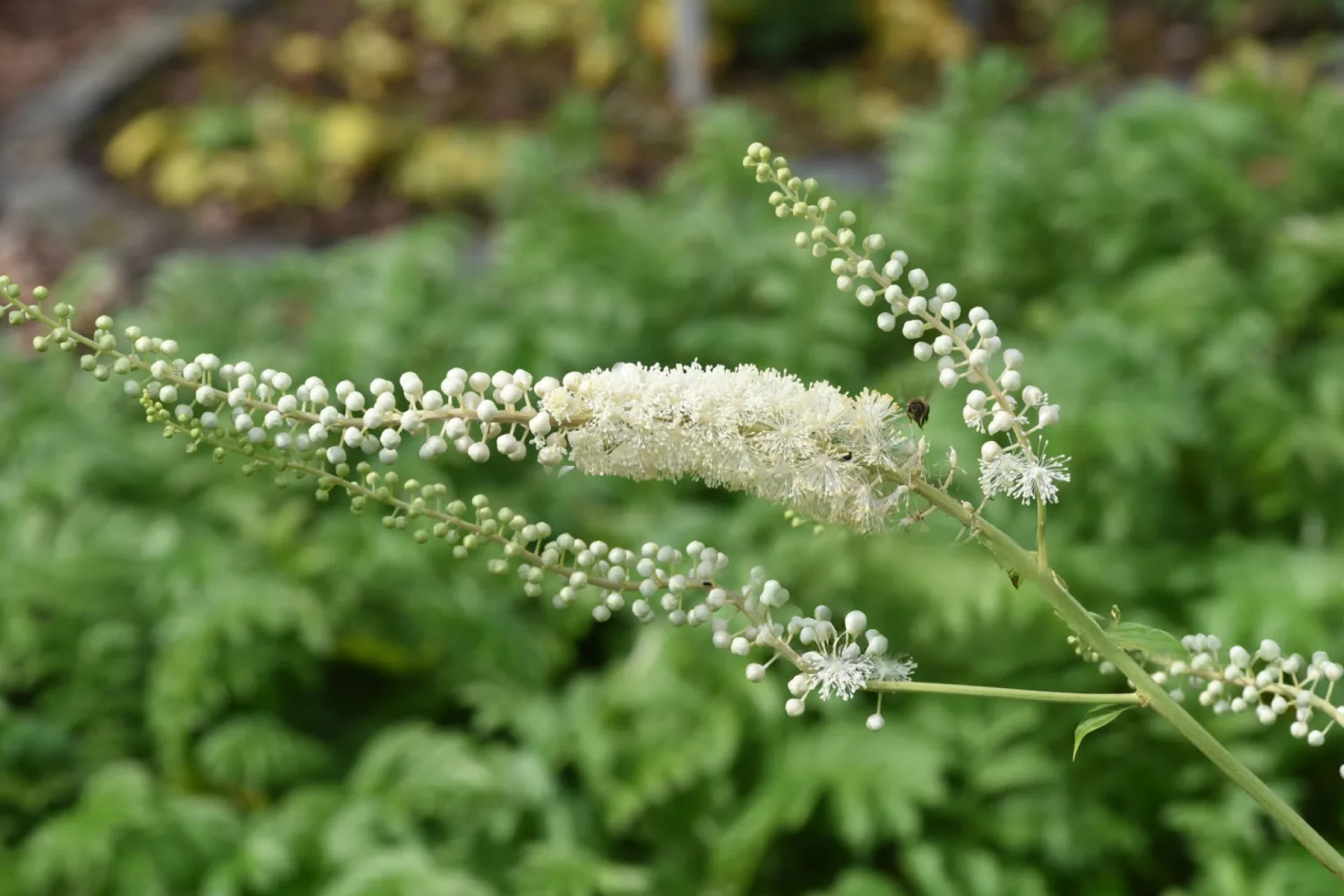
Black cohosh is one of the most commonly used herbs during menopause. It has a long history of use for menopause comfort.
Researchers believe black cohosh support how the body responds to hormone changes. When hormone signals feel more balanced, emotional swings may feel less intense.
Many women use black cohosh as part of a daily routine to support mood and overall menopause comfort. Results vary, and consistency matters.
Safety note. Women with liver conditions should consult a healthcare professional before use.
2. Ashwagandha for Stress and Emotional Balance
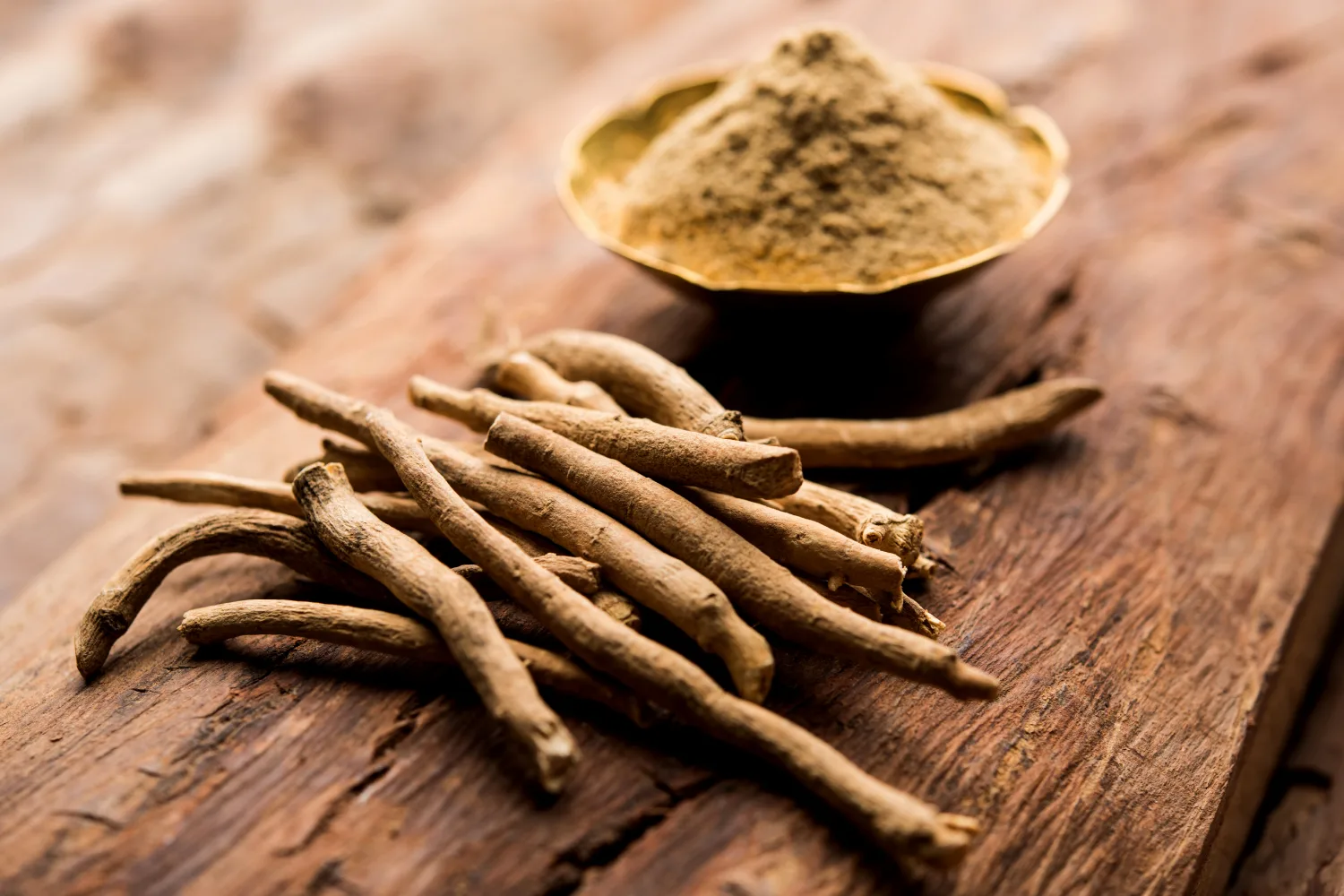
Ashwagandha is known as an adaptogenic herb. Adaptogens help the body respond to physical and emotional stress.
During menopause, stress hormones can rise more easily. This may worsen mood swings and emotional tension. Ashwagandha support a calmer stress response, which can lead to steadier moods.
By supporting how the body handles stress, ashwagandha help women feel more grounded and emotionally balanced during menopause.
3. St. John’s Wort for Emotional Well Being
St. John’s Wort has been traditionally used to support emotional wellness. It is often associated with mood balance and emotional comfort.
This herb help brain chemicals linked to positive mood. For some women, this helped ease feelings of low mood during menopause.
4. Maca Root for Hormone and Mood Support
Maca root is often used to support hormone balance and energy. Instead of acting like hormones, maca helps how the body adapts to hormonal change.
Balanced hormones can support emotional stability. It helps mood steadiness, and emotional resilience with consistent use.
Maca works gently and may take time to show benefits, especially when used as part of a healthy routine.
5. Chasteberry for Hormone Rhythm Balance
Chasteberry, also known as Vitex, is often used to support hormone rhythm. Hormone rhythm refers to how hormones rise and fall in a natural pattern.
When hormone signals feel more balanced, mood changes feel less dramatic. Chasteberry support this balance over time.
This herb requires patience and regular use to see potential benefits.
Can Herbal Supplements Support Menopause Mood Comfort?
Herbs support the body’s natural processes. When used consistently and responsibly, herbal supplements support emotional balance during menopause.
Quality matters. Look for supplements made in GMP certified facilities, tested for purity, and free from common allergens. Supplements work best when combined with healthy sleep, stress management, and balanced nutrition.
Women who are pregnant, nursing, taking medications, or managing health conditions should consult a healthcare professional before starting any supplement.
Final Takeaway
Mood swings during menopause are common, but they do not define who you are. Hormone changes influence emotions, and support is available.
Herbs like black cohosh, ashwagandha, St. John’s Wort, maca, and chasteberry may help support emotional balance when used consistently. Combined with healthy daily habits, they offer gentle support during this life stage.
Menopause is a transition. With the right knowledge and support, emotional balance can feel more within reach.