
Introduction
“Want easier breathing support from nature? Start with these 3 flavonoids.”
Every breath brings oxygen into the body, but it also brings dust, smoke, and tiny particles from the air around us. Over time, this daily exposure can place stress on lung cells. That is why more people are looking at gentle, food-based nutrients that support lung wellness in a natural way. One group of plant compounds getting strong attention is flavonoids.
Flavonoids are found in fruits, vegetables, and herbs. They help plants stay strong against their environment. When we consume them, these compounds support antioxidant balance and healthy cell function in the lungs. Not all flavonoids act the same way. Some are more closely linked to respiratory comfort and lung tissue support than others. This blog focuses on the top three plant flavonoids that stand out for lung wellness and explains the science behind them in a simple way.
What Are Flavonoids and Why Do Lungs Care?
Flavonoids are natural compounds that give plants their bright colors and strength. Inside the body, they help manage oxidative stress, which is caused by everyday exposure to pollutants and normal metabolism. The lungs are especially sensitive because they are in direct contact with air every second of the day.
Lung cells rely on balanced antioxidant activity to stay healthy. When this balance is supported, the lungs are better able to maintain normal breathing comfort and tissue function. Flavonoids support this process by helping neutralize free radicals and supporting normal immune signaling in the respiratory system.
Quercetin and Lung Cell Support
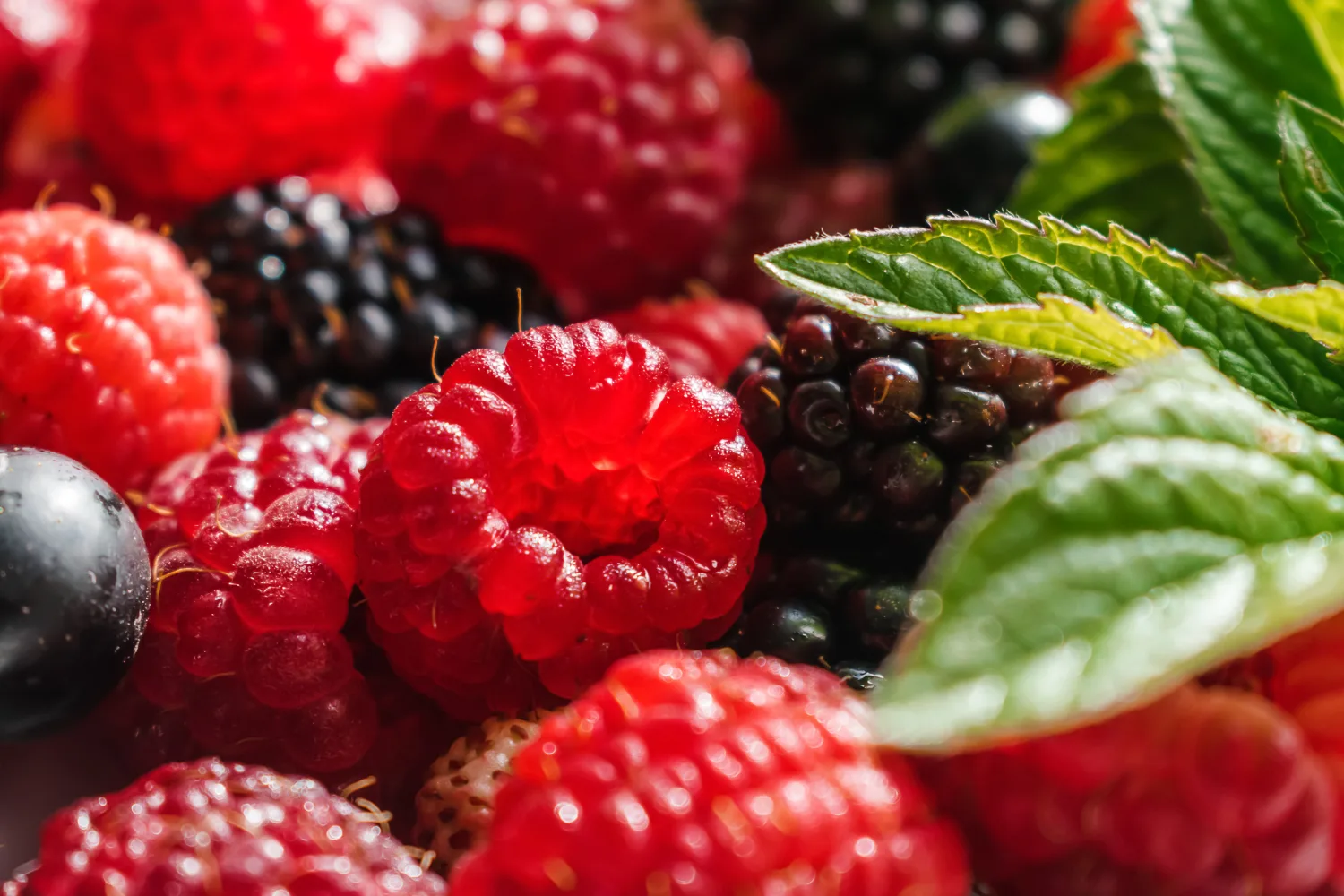
Quercetin is one of the most studied plant flavonoids for respiratory wellness. It is found in foods like apples, onions, berries, and leafy greens. Quercetin is known for its strong antioxidant properties and its ability to support healthy lung cell responses.
In simple terms, quercetin helps lung cells stay calm and balanced when exposed to everyday environmental stress. It supports the body’s natural defense systems without overstimulating them. Research suggests quercetin also helps support normal airway function, which can be helpful for people exposed to pollution or seasonal irritants.
Luteolin and Airway Comfort
Luteolin is another flavonoid that plays an important role in lung wellness. It is commonly found in celery, parsley, green peppers, chamomile, and mullein. Luteolin supports healthy immune balance in the respiratory system and helps maintain normal lung tissue structure.
What makes luteolin special is its ability to support cell communication in the lungs. Healthy communication between cells helps maintain smooth breathing patterns and overall respiratory comfort. Luteolin also supports antioxidant activity in lung tissue, helping ease cells from daily wear caused by air exposure.
For people who want gentle daily support for breathing comfort, luteolin-rich foods can be a smart addition to a wellness routine.
Hesperidin and Respiratory Tissue Health

Hesperidin is a citrus-based flavonoid found mainly in oranges, lemons, and grapefruits. While it is often associated with circulation support, hesperidin also plays a role in lung wellness.
Healthy circulation supports oxygen delivery to lung tissue. Hesperidin support normal circulation and antioxidant balance, which benefits respiratory tissue health.
This flavonoid works well alongside vitamin C, which is naturally present in citrus fruits. Together, they help support the lungs’ natural ability to stay resilient under daily environmental stress.
How to Get These Flavonoids Daily
Eating a variety of colorful fruits and vegetables is the first step toward flavonoid intake. Apples, citrus fruits, herbs, and leafy greens all contribute different types of plant compounds. However, modern diets and food processing can reduce how much we actually consume.
That is why many people choose high-quality supplements like mullein extract that provide standardized amounts of quercetin, luteolin, or citrus bioflavonoids. Supplements allow for consistent daily intake without relying solely on food availability.
When choosing a supplement, it is important to look for clean labels, tested ingredients, and manufacturing standards such as GMP compliance.
Final Thoughts
Lung wellness depends on daily care, not just occasional attention. Plant flavonoids offer a gentle, science-backed way to support respiratory health through nutrition. Quercetin, luteolin, and hesperidin each play unique roles in supporting lung cells, breathing comfort, and antioxidant balance.
By combining a diet rich in plant foods with high-quality supplements, you can give your lungs consistent support every day. Small nutritional choices today can help maintain comfortable breathing and lung strength for years to come.