
Introduction
“Your skin may be reacting to your daily food choices, not your skincare.”
You may use the best creams, face masks, and serums, yet still struggle with dull skin, breakouts, or early wrinkles. This can feel confusing and frustrating. Many people do not realize that what happens inside the body plays a big role in how the skin looks on the outside.
One hidden factor behind many skin concerns is how the body handles glucose from food. Glucose comes from sugar and carbohydrates. When the body has more glucose than it can use at one time, it can start to affect how skin cells behave. Over time, this can show up as changes in texture, tone, and overall glow.
This article explains, in simple terms, how glucose levels can influence skin health, what signs to watch for, and how daily habits and gentle nutritional support can help you look and feel your best.
What Is Glucose and Why Does It Matter for Skin?
Glucose is a type of sugar that comes from the foods you eat, especially bread, rice, pasta, sweets, and sugary drinks. Your body uses glucose as a main source of energy.
When you eat balanced meals, your body can use glucose slowly and steadily. But when meals are high in sugar or refined carbs, glucose can rise quickly. Over time, frequent spikes can make it harder for the body to keep things balanced.
Your skin is always renewing itself. New skin cells replace old ones every few weeks. When glucose levels stay higher than normal for long periods, this process may not work as smoothly. This is one of the reasons why food choices can affect how your skin looks.
How High Glucose Can Change the Look of Your Skin
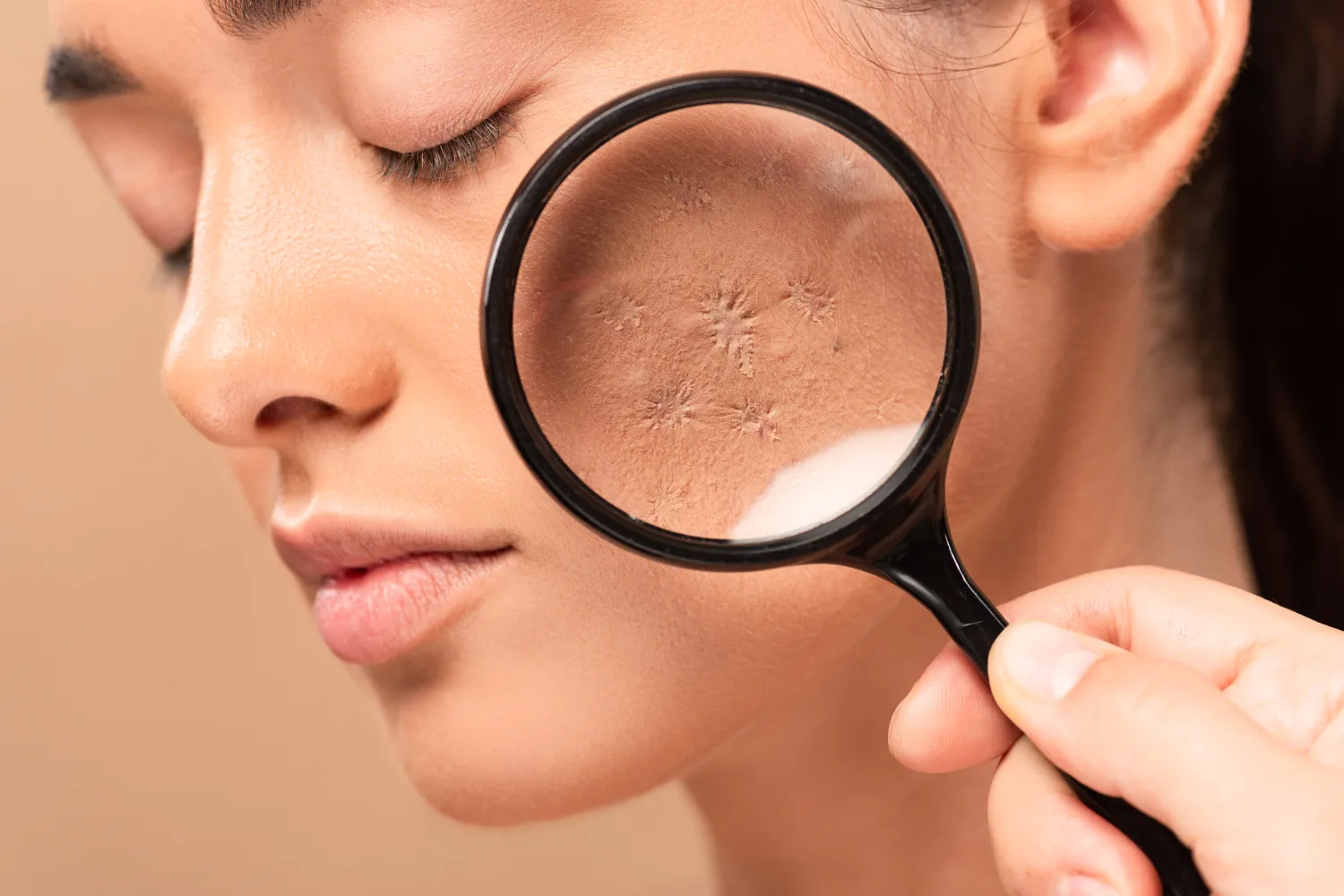
When extra glucose stays in the body, it can attach to important skin proteins like collagen and elastin. These proteins help keep skin firm, smooth, and bouncy. When sugar sticks to them, they become stiff and weak.
This process can slowly change how skin feels and appears. You may notice that your skin does not bounce back as easily, fine lines look deeper, or your face seems tired even when you are well rested.
Glucose can also slow how quickly skin renews itself. This means old skin cells may stay on the surface longer. When this happens, skin can look dull, rough, or uneven.
Skin Signs That May Be Linked to Glucose Imbalance
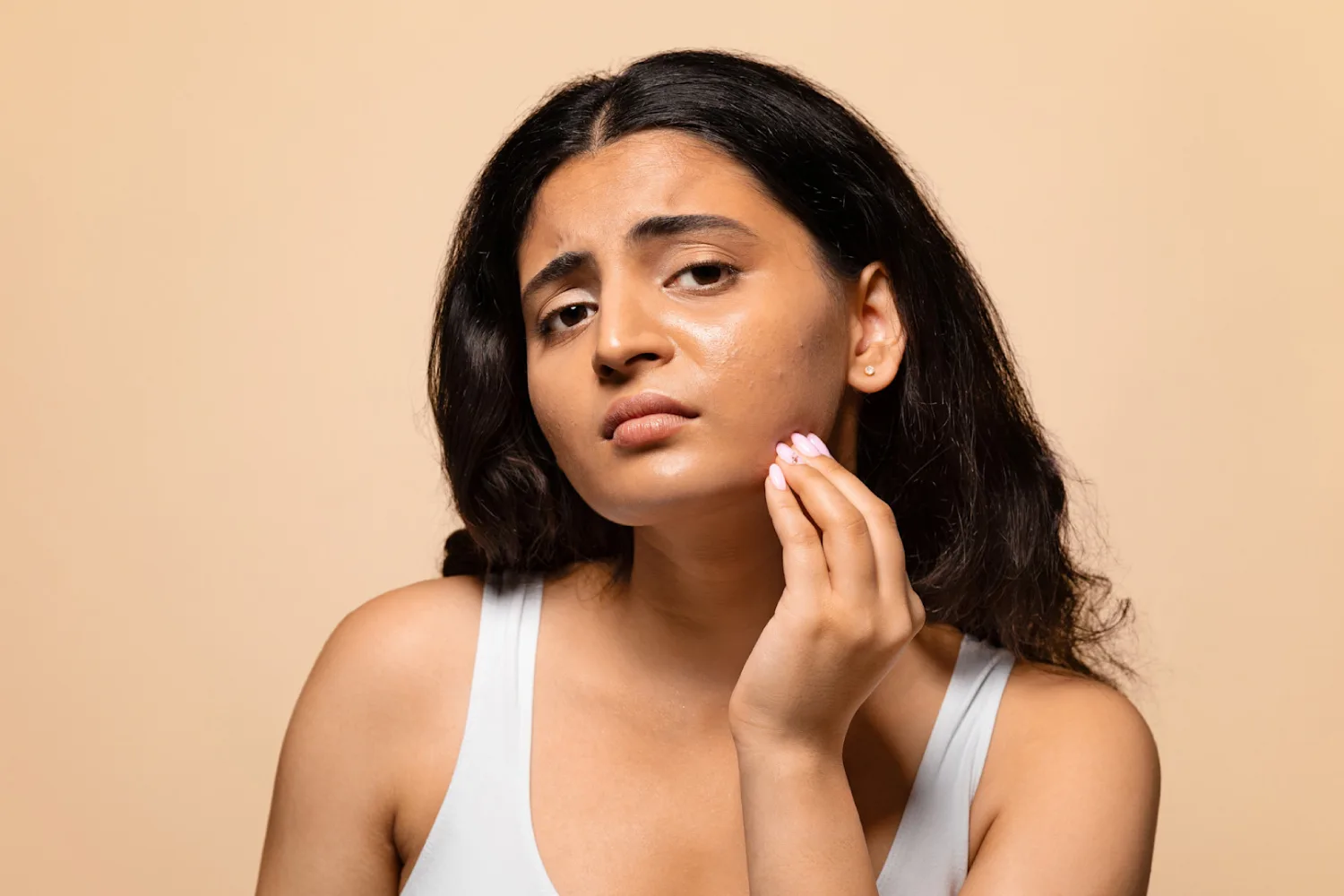
Everyone’s skin is different, but some common signs may appear when glucose is not well balanced :
- More frequent breakouts, even in adulthood
- Dark patches or uneven tone
- Dry, rough, or flaky texture
- Fine lines that seem to appear faster
- Skin that looks tired or lacks glow
These signs do not mean something is wrong, but they can be clues that your body may need better daily balance.
Why Skincare Alone May Not Be Enough
Topical products work on the surface of your skin. They can hydrate, smooth, and protect the outer layer. But they cannot fix what is happening inside the body.
If your daily food choices continue to cause large glucose swings, your skin may still struggle, no matter how good your skincare routine is. This is why a “skin from within” approach is becoming more popular.
Supporting your body from the inside helps your skin cells function better, renew faster, and stay stronger over time.
How Food Choices Shape Your Skin
What you eat each day plays a big role in how your skin looks.
Foods that may cause quick glucose spikes include:
- Sugary drinks and desserts
- White bread, pastries, and processed snacks
- Sweetened cereals
Foods that support steady glucose include:
- Whole grains
- Vegetables
- Fruits with fiber
- Lean proteins
- Healthy fats
When meals are balanced with fiber and protein, glucose is released more slowly. This helps your body stay steady and supports smoother, brighter-looking skin.
Simple Daily Habits That Support Skin Health
Small lifestyle changes can make a big difference.
- Walk after meals: A short walk helps your body use glucose more efficiently.
- Stay hydrated: Water supports skin moisture and natural renewal.
- Get enough sleep: Rest helps skin repair overnight.
- Manage stress: High stress can affect how your body processes food.
These habits support both skin and overall wellness.
The Role of Antioxidants and Herbal Support
Antioxidants help ease skin cells from daily stress and sugar-related wear. They support skin renewal and help maintain a healthy glow.
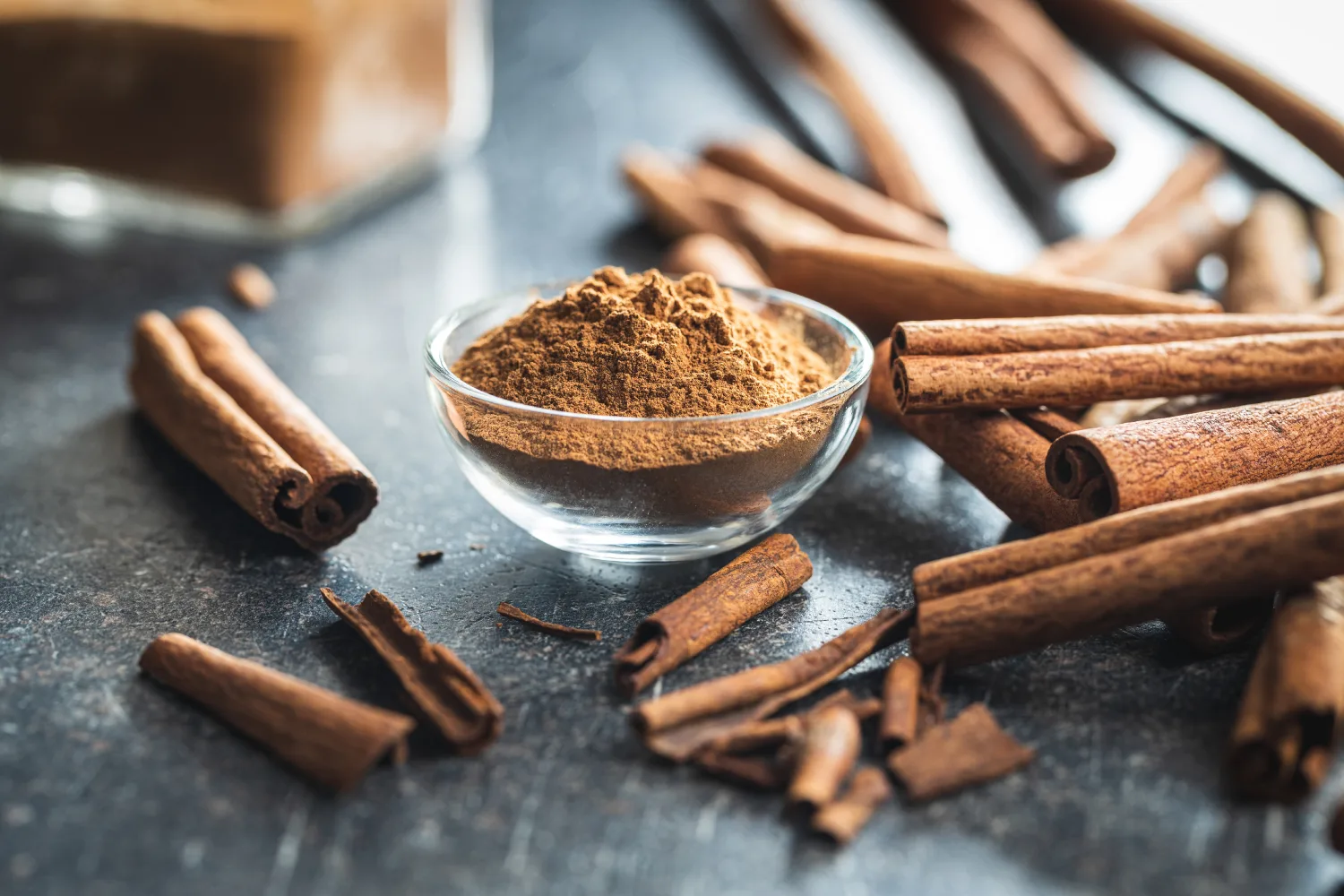
Some traditional herbs are also known for supporting healthy glucose balance as part of a balanced lifestyle. These include:
- Cinnamon
- Bitter melon
- Mulberry leaf
When combined with antioxidants, these ingredients may help support the body’s natural balance and skin clarity.
Final Takeaway
Your skin is not just shaped by what you apply on the outside. It also reflects how your body handles glucose from daily meals. When glucose is better balanced, skin can look smoother, brighter, and more youthful over time.
By choosing balanced foods, building simple daily habits, and using gentle nutritional support, you can care for your skin from the inside out.