

Introduction
“Your daily foods may be working against your hormones, and you may not even realize it.”
Menopause can bring changes that feel confusing. You may notice mood shifts, poor sleep, weight gain around the belly, or low energy. Many women try to eat better during this time, but still do not feel their best.
What you eat plays a bigger role than you might think. As hormone levels change, your body becomes more sensitive to certain foods. Some foods may support balance, while others may make symptoms feel worse.
The good news is that small changes can make a real difference. Understanding which foods to limit can help you feel more in control of your body and daily energy.
Why Food Choices Matter During Menopause
During menopause, estrogen levels naturally shift. This can affect how your body handles blood sugar, stress, and sleep. Your system may respond more strongly to spikes and drops in energy.
Certain foods can lead to quick changes in blood sugar or increase your body’s stress response. Over time, this may show up as cravings, fatigue, or restless nights.
This does not mean you need a strict diet. It simply means being more aware of foods that may not support your body during this stage of life.
5 Foods to Avoid During Menopause
1. Added Sugars
Added sugars are found in desserts, candies, sweetened drinks, and even some packaged snacks. These foods can cause quick spikes in blood sugar, followed by sudden drops.
When this happens, you may feel tired, hungry, or irritable. Frequent spikes may also make it harder to manage weight and steady energy levels.
Limiting added sugar can help support more stable energy and fewer cravings throughout the day.
2. Refined Carbohydrates
Refined carbs include foods like white bread, pastries, and many processed cereals. These foods are quickly broken down into sugar in the body.
This can lead to the same pattern of energy highs and lows. Over time, this cycle may affect how you feel day to day.
Choosing whole grains instead can provide more steady energy and help you stay full longer.
3. Excess Caffeine
Caffeine is common in coffee, tea, and energy drinks. While small amounts may be fine for many people, too much caffeine can affect sleep and increase feelings of restlessness.
During menopause, sleep may already be disrupted. Adding excess caffeine may make it harder to fall asleep or stay asleep.
Reducing intake, especially later in the day, can help support better rest and calmer energy.
4. Alcohol

Alcohol may seem relaxing, but it can affect sleep quality and overall balance in the body. Many women notice that alcohol can lead to night sweats or restless sleep.
It may also affect how your body handles stress and recovery. Even small changes in intake can make a difference in how you feel the next day.
Being mindful of how often and how much you drink can support better daily comfort.
5. Highly Processed Foods
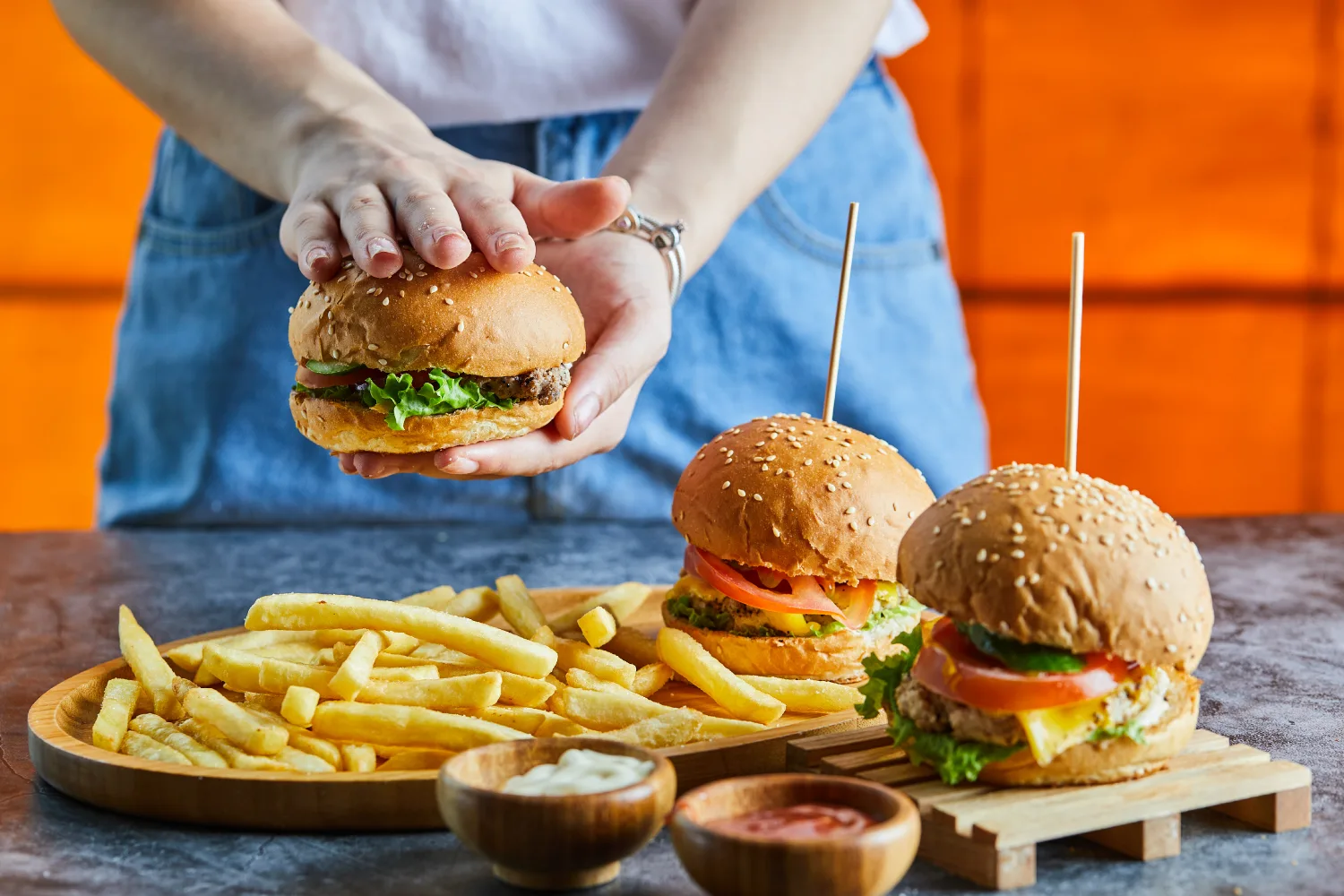
Highly processed foods often contain added sugars, unhealthy fats, and low levels of nutrients. Examples include packaged snacks, fast food, and ready-made meals.
These foods may not provide the nutrients your body needs during menopause. Over time, this may affect energy, digestion, and overall wellness.
Focusing more on whole, nutrient-rich foods can help support your body during this transition.
What to Focus on Instead

Instead of only thinking about what to avoid, it helps to focus on what to include. Whole foods can support your body in a steady and balanced way.
Try to include:
- Fiber-rich foods like vegetables, fruits, and whole grains
- Protein sources such as beans, eggs, or lean meats
- Healthy fats from nuts, seeds, and oils
- Plenty of water throughout the day
These choices can help support stable energy and overall well-being.
Where Supplements Can Support
Along with diet and lifestyle, some women choose to add supplements for extra support. Certain nutrients and plant-based compounds may help support metabolism, energy, and overall balance.
For example, ingredients like berberine, when used as part of a balanced routine, are often included in formulations designed to support metabolic health and glucose balance. These supplements are not a replacement for a healthy diet, but they can be a helpful addition for some individuals.
Final Takeaway
Menopause is a natural stage of life, but it can come with changes that feel challenging. The foods you eat each day can either support your body or make these changes feel more intense.
By limiting added sugars, refined carbs, excess caffeine, alcohol, and highly processed foods, you can take a simple step toward better balance.
You do not need a perfect diet. You just need small, consistent choices that support how you want to feel each day.