
Introduction
“Why does your skin suddenly feel dry, irritated, or break out when the weather changes? The answer may not only be in your skincare routine.”
Seasonal weather shifts often bring noticeable changes to the skin. Many people see dry patches in colder months, oily breakouts during humid weather, or irritation when temperatures swing quickly. While moisturizers and serums can help on the surface, the health of your skin also depends on what happens inside your body.
One essential nutrient that plays a role in skin health is zinc. This mineral supports several important processes that help the skin stay balanced and resilient. Understanding how zinc works can help you better support your skin when weather conditions change.
Why Does Skin React to Weather Changes?
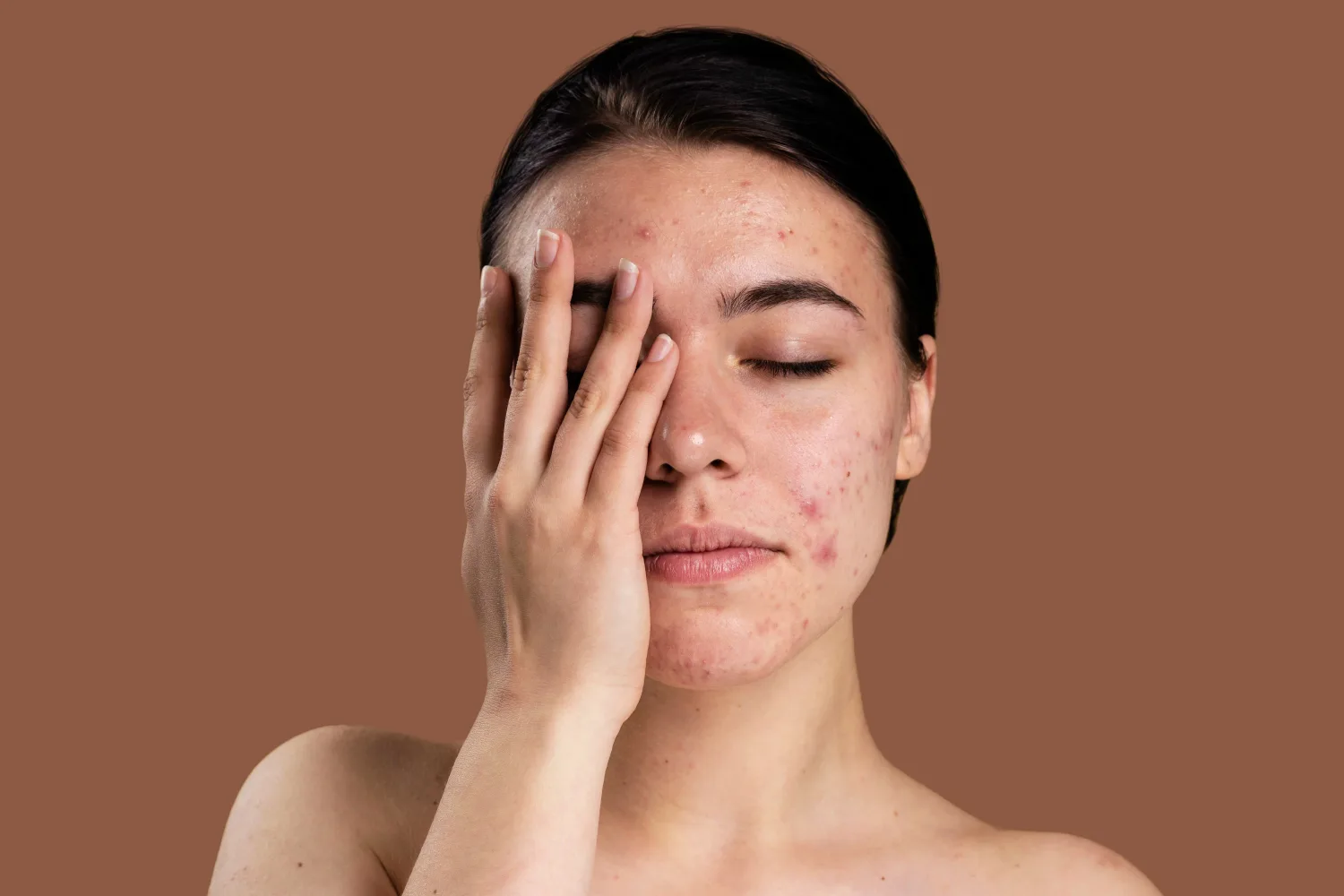
The skin is the body’s largest organ and acts as a protective barrier. It helps keep moisture inside while shielding the body from environmental stress. When the weather shifts, this barrier can be affected.
Changes in temperature and humidity can influence how the skin behaves. For example:
- Cold air and indoor heating can dry out the skin.
- Hot and humid weather may increase oil production.
- Wind and sun exposure can stress the skin barrier.
These environmental changes may lead to dryness, irritation, uneven texture, or breakouts. When the skin barrier becomes stressed, the body works harder to repair and maintain healthy skin cells. Nutrients such as zinc support these natural processes.
What Is Zinc?
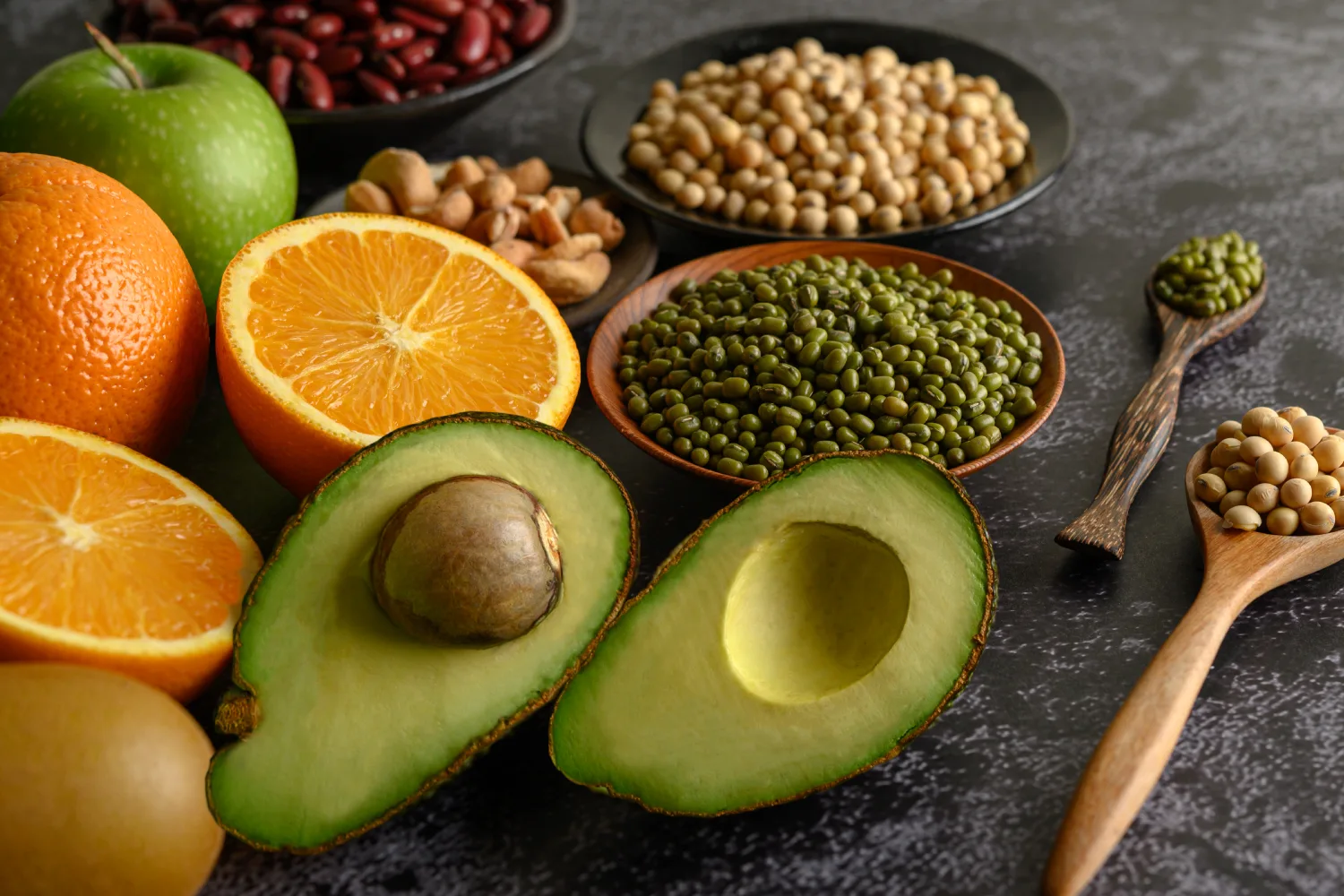
Zinc is an essential mineral the body needs for many daily functions. Since the body cannot store large amounts of zinc, it needs a steady intake through food or supplements.
Zinc supports hundreds of enzyme reactions in the body. It plays a role in immune function, cellular repair, and tissue growth. Because the skin constantly renews itself, it depends on nutrients that help maintain healthy cell turnover and repair.
This is one reason zinc is often discussed in connection with skin health.
How Zinc Supports Healthy Skin
Zinc contributes to several biological processes that help the skin function normally. While it is not a quick cosmetic fix, adequate zinc intake helps the body support the structure and maintenance of skin over time.
Supports Skin Cell Renewal
The skin continuously produces new cells to replace old ones. Zinc supports the normal growth and division of these cells. This process helps maintain smoother and healthier-looking skin.
When the body has adequate zinc, skin cells can renew efficiently as part of normal skin maintenance.
Helps Maintain Balanced Oil Production
Skin oil, also called sebum, plays an important role in protecting and moisturizing the skin. However, too much oil can contribute to clogged pores and breakouts.
Zinc supports the body’s natural balance of oil production, which may help the skin maintain a clearer and more balanced appearance.
Supports the Skin Barrier
The outer layer of skin acts as a barrier that helps hold moisture and protect against environmental stress. Zinc contributes to maintaining the structure and function of this protective barrier.
A healthy skin barrier helps the skin stay hydrated and resilient during seasonal weather changes.
Common Signs Your Skin May Need More Nutritional Support
Many factors influence skin health, including hydration, diet, lifestyle, and environment. In some cases, low intake of certain nutrients may also affect skin appearance.
Some people may notice:
- rough or dry skin texture
- slow skin recovery
- occasional breakouts
- dull-looking skin
These signs can have many causes. However, maintaining a balanced diet that includes important nutrients like zinc supports the body’s normal skin maintenance processes.
Final Takeaway
Weather changes can have a noticeable impact on the skin. Dry air, humidity shifts, sun exposure, and temperature swings can stress the skin barrier and affect how the skin looks and feels.
While skincare products help support the skin externally, internal nutrition also plays an important role. Zinc is a key mineral involved in skin cell renewal, repair processes, and maintaining the skin barrier.
Supporting adequate zinc intake through balanced nutrition or supplements may help the body maintain healthy skin during seasonal transitions. When combined with good hydration, proper skincare, and a nutrient-rich diet, zinc can be part of a well-rounded approach to skin health.