

Introduction
“Watching your sugar intake but still unsure about your glucose levels? There may be more to the story than just what you avoid.”
Many people today are more aware of their glucose levels. You may be cutting back on sugar, choosing better meals, and trying to stay active. But even with these steps, you might still wonder if you are doing enough to support your body.
What most people do not realize is that glucose balance is not only about avoiding certain foods. It is also about how your body processes and uses what you eat. This is where certain natural ingredients, like bitter melon, come into the picture.
Bitter melon has been used in traditional wellness practices for years. Today, it is gaining attention for its role in supporting metabolic health. Let us explore what makes it unique and what most people do not know about it.
5 Things Most People Do Not Know About Bitter Melon and Glucose Levels
1. Bitter Melon Contains Unique Plant Compounds
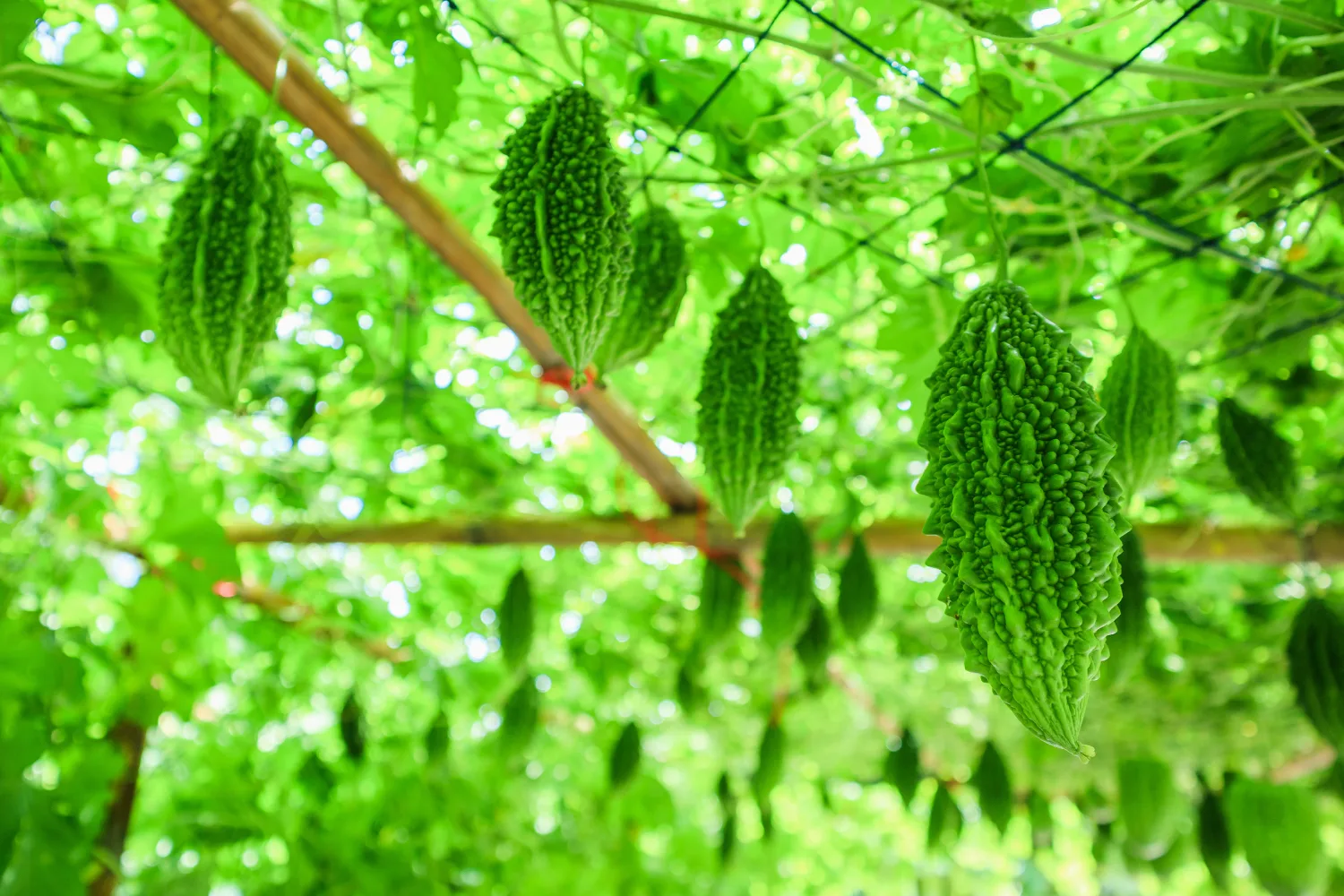
Bitter melon is rich in natural plant compounds such as charantin and polypeptide-p. These compounds are often studied for their role in supporting how the body handles glucose.
In simple terms, bitter melon works at a deeper level than just diet. It interacts with how your body responds to what you eat. This makes it different from many common food choices.
2. It Supports How Your Body Uses Glucose
Your body needs to move glucose from your circulation into your cells, where it can be used for energy. Bitter melon is known for supporting this natural process.
Instead of focusing only on reducing intake, bitter melon supports how your body uses glucose. This is an important part of maintaining overall balance.
3. It Has a Long History in Traditional Use
Bitter melon has been used in traditional wellness systems across Asia and other regions for generations. It was often included as part of daily routines to support metabolic function.
This long-standing use adds to its growing interest today. Many people look for ingredients that are both traditional and supported by modern research.
4. It Is Not a Quick Fix, It Works Best With Routine
One of the biggest misunderstandings is expecting immediate results. Bitter melon is not meant to work overnight. It is best used as part of a consistent lifestyle.
Balanced meals, regular movement, and proper hydration all work together with supportive nutrients. When used this way, bitter melon fits naturally into a daily wellness routine.
5. It Is Often More Effective in a Blend
While bitter melon is powerful on its own, it is often combined with other supportive nutrients in modern supplements. Ingredients like berberine, chromium, and herbal extracts are commonly used together.
This combination approach supports multiple pathways involved in glucose metabolism. It offers a more complete way to support your body compared to using a single ingredient alone.
What Most People Get Wrong About Glucose Support
Many people think glucose support is only about avoiding sugar. While that is helpful, it is only one part of the picture.
Your body’s internal processes matter just as much. How your body absorbs, uses, and responds to nutrients plays a key role. Focusing only on restriction can make the approach feel difficult and incomplete.
A more balanced approach includes both smart food choices and internal support.
Simple Ways to Support Healthy Glucose Levels

Supporting your body does not have to be complicated. Small, consistent habits can make a difference over time.
- Choose balanced meals with protein, fiber, and healthy fats
- Stay physically active throughout the day
- Drink enough water to stay hydrated
- Take herbal drinks like cinnamon smoothie
- Maintain a regular daily routine
- Consider supportive nutrient rich foods
These steps help your body maintain a more stable internal environment.
Final Takeaway
Bitter melon is more than just a traditional ingredient. It represents a different way of thinking about glucose support. Instead of focusing only on what to avoid, it helps how your body works from within.
When combined with consistent lifestyle habits, bitter melon can be a valuable part of your daily routine. Supporting your body does not have to be complicated. It starts with small, informed choices that add up over time.