

Introduction
“Ever wonder why recovery feels slower and exercise feels harder during menopause?”
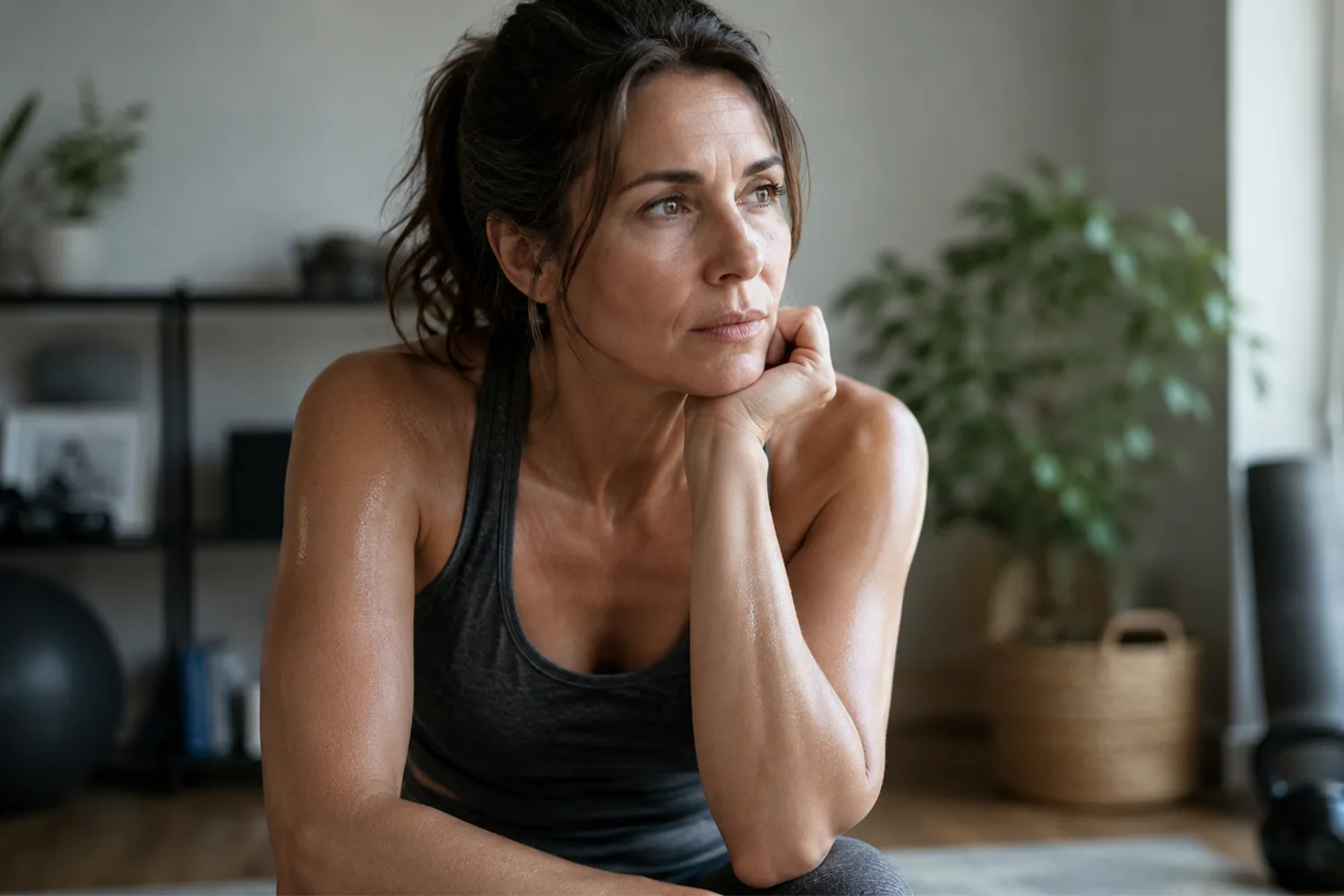
Many women notice a surprising change during menopause. Workouts that once felt easy may suddenly feel harder, slower, or more exhausting. You may feel sore longer, struggle with energy, or wonder why your body is not responding the same way anymore.
If this sounds familiar, you are not alone.
Menopause can affect sleep, recovery, muscle strength, mood, and energy levels. These natural body changes may influence how exercise feels from day to day. The good news is that movement still matters, and small changes to your routine may help workouts feel more manageable and supportive again.
Why Does Exercise Feel Harder During Menopause?
During menopause, the body goes through major hormone changes, especially changes in estrogen levels. Estrogen does more than support reproductive health. It also plays a role in muscle function, joint comfort, recovery, metabolism, and energy balance.
As hormone levels shift, the body may respond differently to physical activity. That does not mean exercise stops working. It simply means your body may need more support, recovery, and balance than before.
Understanding these changes can help you work with your body instead of fighting against it.
Reason #1: Recovery Feel Slower
One of the biggest complaints during menopause is slower workout recovery.
You may notice:
- Muscle soreness lasting longer
- Feeling tired after exercise
- Needing more rest days
- Less energy the next morning
Hormonal changes affect how the body handles physical stress and muscle repair. At the same time, poor sleep during menopause can make recovery even harder.
Night sweats, interrupted sleep, and stress leave the body feeling drained before the workout even begins.
This is why intense workouts that once felt energizing may now feel overwhelming.
Instead of pushing harder every day, many women feel better with a balanced fitness routine that includes:
- Strength training
- Walking
- Stretching
- Recovery days
- Good hydration
- Protein-rich meals
Listening to your body is not giving up. It is a smarter way to support long-term fitness during menopause.
Reason #2: Muscle and Energy Levels Can Change
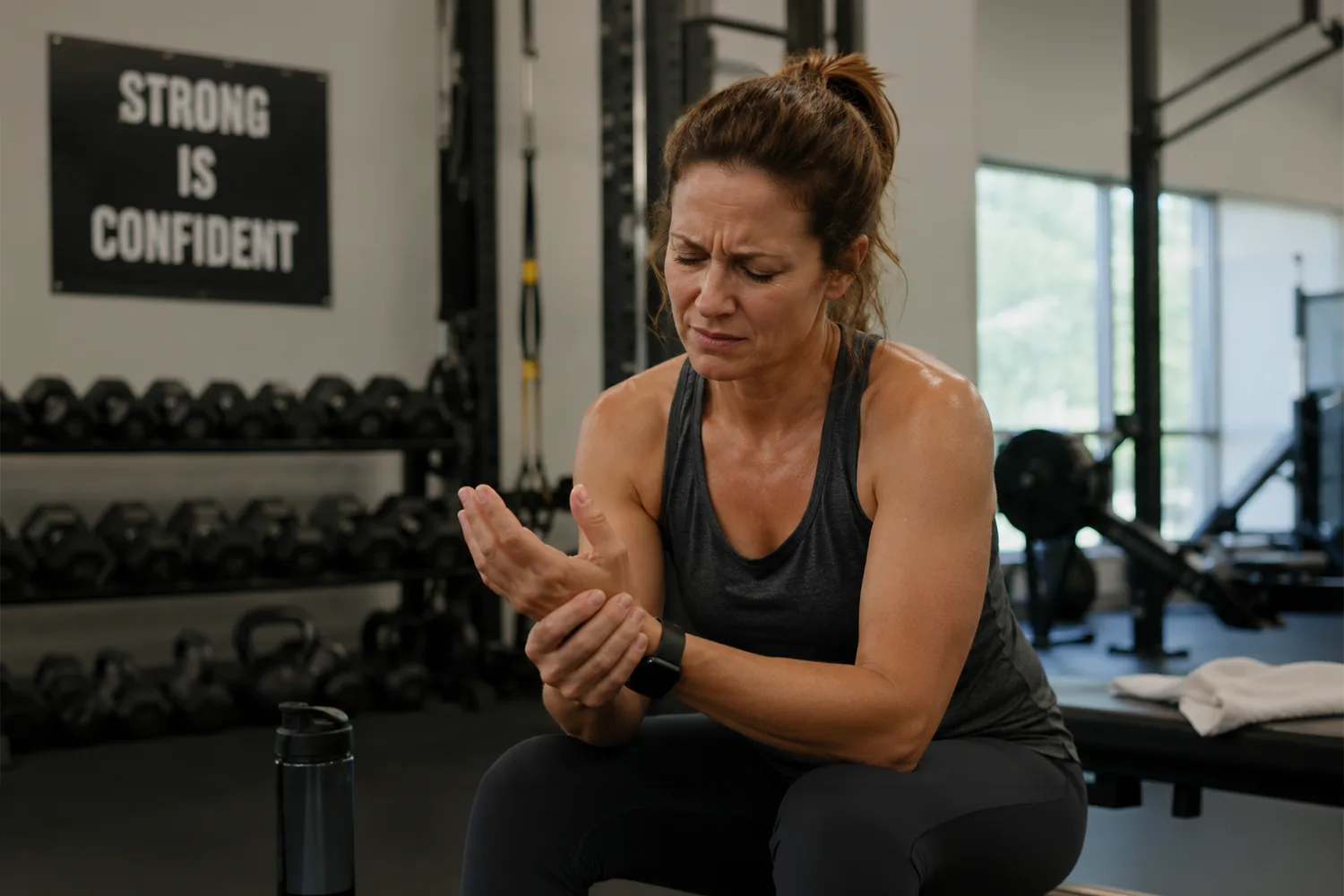
Another reason workouts feel different during menopause is changes in muscle and energy levels.
As women age, the body naturally begins to lose lean muscle mass over time. Hormonal shifts during menopause may make this process more noticeable. This can affect strength, stamina, and workout performance.
You may feel:
- Weaker during strength workouts
- More tired during cardio
- Less motivated to exercise
- Slower during activities that once felt easy
This can feel frustrating, especially for women who have stayed active for years.
The good news is that movement still helps healthy aging. Strength training, even a few times a week, may help muscle health and mobility. Walking, resistance bands, light weights, and bodyweight exercises are all helpful options.
Eating enough protein may also support active muscles and recovery. Many women do not realize they may need more nutrition support during this stage of life.
Consistency matters more than intensity. Small, realistic habits often work better than extreme fitness routines.
Reason #3: Stress and Sleep Can Affect Workout Performance
Menopause does not only affect the body physically. It may also affect sleep, mood, and stress levels, which can all change how workouts feel.
Poor sleep can lower energy and focus. Stress may leave the body feeling mentally and physically tired. When this happens, workouts may feel more difficult than usual.
Many women also notice changes in motivation during menopause. This is common and completely understandable.
On stressful or low-energy days, gentler movement feel better than high-intensity workouts. Activities like yoga, stretching, Pilates, or walking can still support physical and mental wellness without adding extra stress to the body.
Fitness during menopause does not need to look extreme to be effective.
Should You Stop Exercising During Menopause?
Absolutely not.
Regular movement still supports:
- Heart health
- Bone strength
- Mobility
- Mood
- Energy
- Everyday function
The goal during menopause is not to punish the body. The goal is to support it through change.
Some women feel better with shorter workouts, more recovery time, or lower-impact exercise. Others benefit from strength training combined with walking and flexibility work.
There is no perfect workout plan for every woman. The best routine is one that feels sustainable, supportive, and realistic.
Final Takeaway
If workouts feel different during menopause, you are not imagining it. Hormonal changes may affect recovery, energy, muscle function, sleep, and stress levels. These shifts can change how the body responds to exercise.
The good news is that small adjustments may help. Balanced workouts, proper recovery, hydration, protein intake, and supportive daily habits can all make a difference.
Your body is changing, not failing.
Many women also explore wellness support like magnesium, collagen, protein, omega-3s, or menopause support supplements to help support an active lifestyle during this stage of life.