

Introduction
“You may be spending on skincare, but your sleep routine could be undoing it.”
Many people focus on skincare products when they want healthy, glowing skin. Creams, serums, and cleansers can help support skin appearance. But there is another factor that many people overlook. Your sleep habits can also influence how your skin looks and feels.
During sleep, your body goes into repair mode. Cells renew, tissues recover, and your skin gets time to reset from daily stress. When sleep is irregular or too short, this process may not work as smoothly. Over time, poor sleep habits may lead to tired-looking skin, dull tone, or visible signs of fatigue.
Understanding the connection between sleep and skin health can help you make simple changes that support a healthier appearance.
Why Does Your Skin Need Sleep?
Your body performs many repair processes while you sleep. Skin is one of the tissues that benefits from this overnight recovery time.
During deeper stages of sleep, the body supports skin cell renewal and tissue repair. Circulation to the skin may get better, which helps deliver oxygen and nutrients that support healthy skin function. This process helps maintain a balanced and refreshed skin appearance.
Sleep also supports normal collagen production, which plays a role in skin structure and elasticity. Collagen helps skin maintain firmness and smoothness over time.
When sleep is too short or irregular, the body may have less time to complete these repair activities. As a result, skin may appear dull, tired, or less refreshed the next day.
How Can Poor Sleep Habits Affect Your Skin?
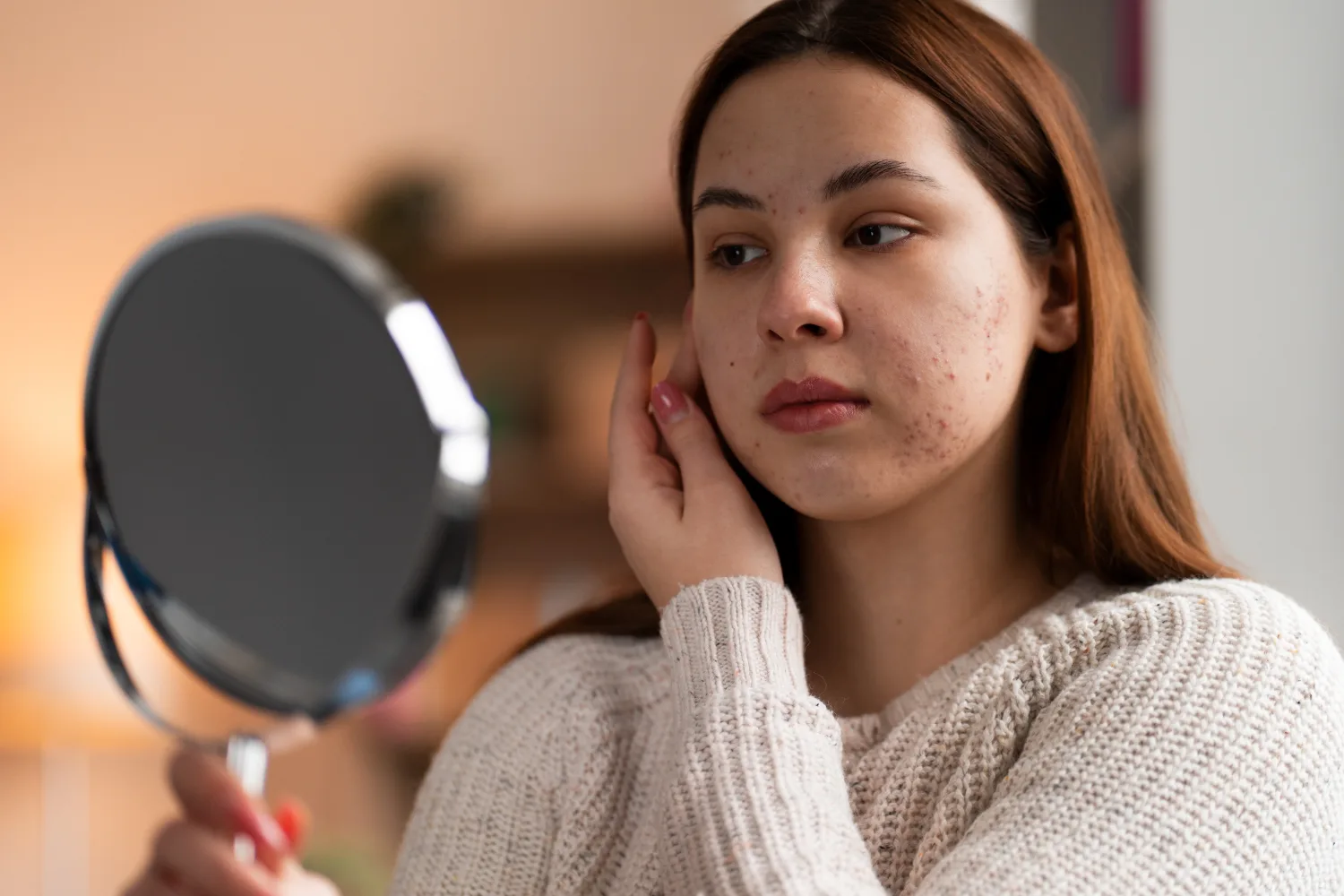
Poor sleep habits do not usually cause instant changes. Instead, the effects may build slowly over time.
When sleep is limited or disrupted, the body may produce higher levels of stress hormones. These hormones can affect the balance of the skin and may contribute to tired-looking skin.
Some common skin changes associated with poor sleep habits include:
- Dull or uneven skin tone because skin renewal may slow down
- Dark circles or puffiness caused by fluid shifts and fatigue
- Dry or dehydrated skin due to reduced overnight recovery
- Slower skin recovery after daily stress such as sun exposure or pollution
These effects do not happen to everyone the same way, but they highlight how closely sleep and skin health are connected.
5 Better Sleep Habits That Support Healthy Skin

Healthy sleep habits can help support your body’s natural repair cycle. Small changes to your nighttime routine may support both sleep quality and skin health.
1. Maintain a Consistent Sleep Schedule
Going to bed and waking up at the same time each day helps regulate your body clock. When sleep schedules are consistent, your body can move more smoothly through its natural sleep cycles.
These sleep cycles are when many repair processes take place. Consistency helps ensure that the body gets enough time for those processes to occur.
2. Reduce Screen Time Before Bed
Phones, tablets, and computers emit blue light, which may interfere with natural sleep signals. Exposure to bright screens late at night can make it harder for the body to relax.
Limiting screen time before bedtime can help your brain prepare for sleep. Better sleep quality supports the body’s overnight repair processes that help maintain healthy skin.
3. Create a Calm Sleep Environment
A comfortable sleep environment can make it easier for the body to relax and fall asleep.
Consider simple adjustments such as:
- Keeping the bedroom cool and dark
- Using comfortable bedding
- Reducing noise or distractions
A calm sleep environment supports deeper sleep stages, which are important for skin recovery and renewal.
4. Follow a Simple Nighttime Skincare Routine
Your nighttime skincare routine can support the skin while it rests.
Before bed, gently cleanse the skin to remove dirt, oil, and makeup that may collect during the day. Applying a moisturizer afterward helps maintain skin hydration overnight.
Hydrated skin can better support normal skin barrier function while the body goes through its natural repair processes.
5. Support Relaxation Before Bed
Relaxation habits before bedtime may help improve sleep quality.
Simple practices such as reading, light stretching, or deep breathing can help the body shift into rest mode. Some people also include nutrients that support relaxation as part of their nighttime routine.
Magnesium glycinate is often used in wellness routines because magnesium plays a role in muscle relaxation and normal nerve function. When taken as part of a balanced lifestyle, magnesium supplements may support calmness and restful sleep, which indirectly supports the body’s natural skin repair process.
Final Takeaway
Many people focus only on skincare products when they want better-looking skin. But the body does much of its skin repair work during sleep.
Poor sleep habits may reduce the time available for these natural processes. Over time, this may lead to tired-looking or dull skin.
By building better sleep habits, such as keeping a consistent bedtime, reducing screen exposure, and creating a calm sleep routine, you can support your body’s natural overnight repair cycle.
Healthy sleep habits may be one of the simplest ways to support glowing, refreshed-looking skin.