

Introduction
“Feeling slow, tired, or heavy this March? The secret to better energy might be sitting in the produce aisle.”
March is a transition month. Winter comfort foods are still around, but spring is beginning to show up. The days get a little longer. The sun feels warmer. Many people want a fresh start, yet they still feel sluggish. That end of winter fatigue is common. Your body is adjusting to a new season.
One simple way to support natural energy is by eating seasonal fruits and vegetables. March seasonal produce is often fresher, lighter, and rich in nutrients that support steady energy, hydration, and overall wellness.
Let us explore what is in season in March, how it may support energy, and easy recipes you can try at home.
Why Seasonal Produce Can Support Energy
Seasonal eating is not just a trend. Fruits and vegetables that are harvested in season are often picked closer to peak ripeness. That means better flavor and stronger nutrient value.
Many March seasonal fruits and vegetables contain:
- Vitamin C, which supports immune health and overall vitality
- Fiber, which helps maintain steady digestion and energy
- Natural carbohydrates, which provide gentle fuel
- Antioxidants, which help the body manage everyday stress
- Water content, which supports hydration
When digestion is steady and hydration is strong, energy often feels more stable throughout the day.
March Seasonal Fruits That Help You Feel Refreshed
March offers a mix of late winter and early spring fruits.
Citrus Fruits
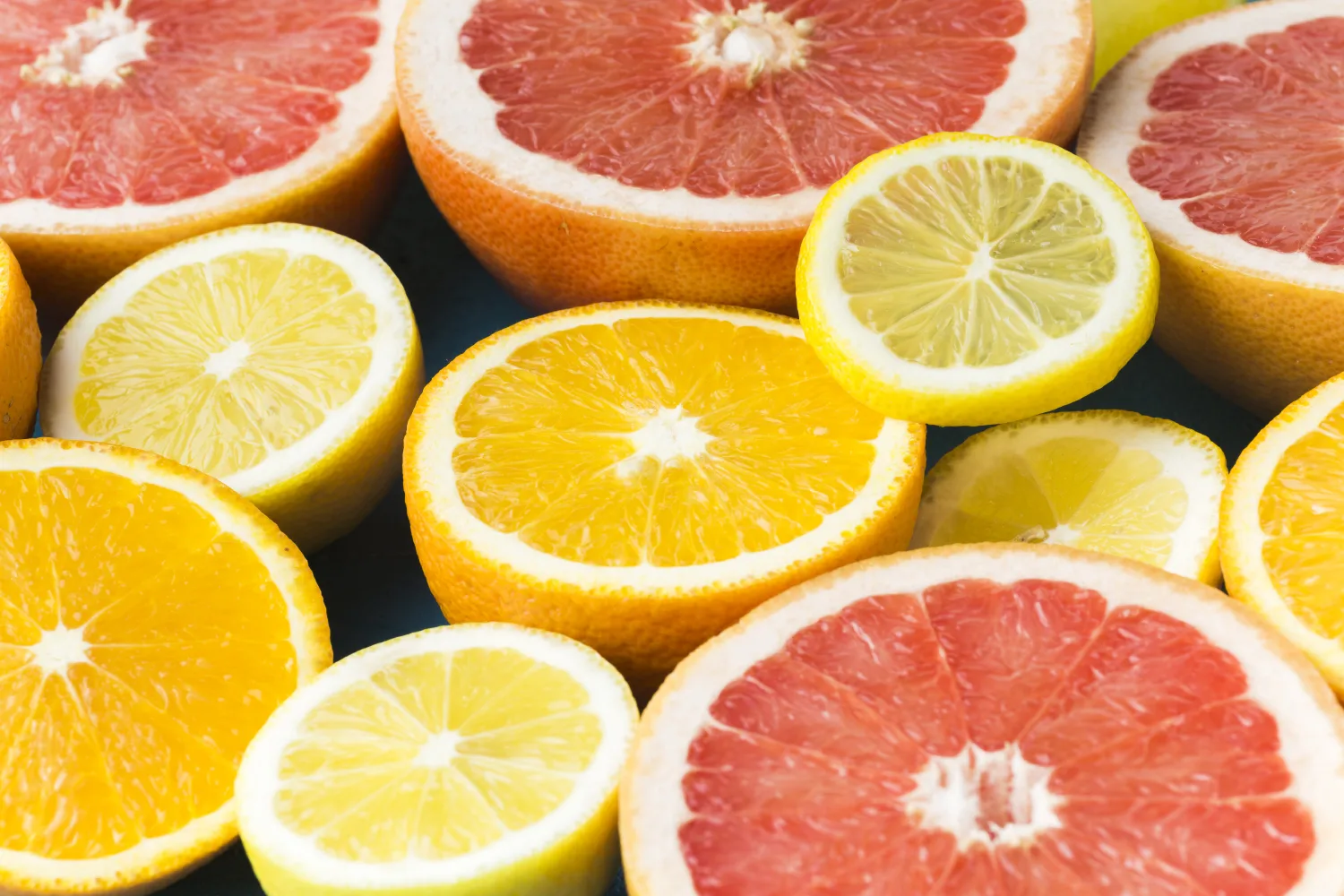
Oranges, grapefruits, lemons, and mandarins are still in season. Citrus fruits are rich in vitamin C. This vitamin supports immune function and helps the body absorb iron from foods. Citrus also contains natural sugars that provide quick but gentle energy.
Easy idea: Add fresh orange slices to salads or squeeze lemon into warm water in the morning.
Strawberries
In many regions, strawberries begin appearing in March. They are light, refreshing, and rich in antioxidants. Their fiber content supports digestion, which plays a role in steady energy.
Easy idea: Add sliced strawberries to yogurt or oatmeal for a simple energy-supporting breakfast.
Kiwi
Kiwi is small but nutrient dense. It contains vitamin C and fiber. Its natural sweetness makes it a good alternative to processed snacks.
Easy idea: Slice kiwi into smoothies or eat it as an afternoon snack.
March Seasonal Vegetables That Support Steady Energy
Vegetables in March often feel lighter compared to heavy winter squash. They support digestion and hydration, both important for feeling energized.
Asparagus
Asparagus is one of the first signs of spring. It contains fiber and folate, a B vitamin that supports cellular energy production.
Easy idea: Roast asparagus with olive oil and sea salt for a simple side dish.
Spinach

Spinach is rich in iron and magnesium. Iron helps support oxygen transport in the body. Magnesium supports muscle relaxation and energy metabolism.
Easy idea: Add a handful of spinach to omelets, soups, or smoothies.
Carrots
Carrots provide fiber and beta carotene. Their natural sweetness can help satisfy cravings without added sugar.
Easy idea: Roast carrots with herbs or enjoy them raw with hummus.
Broccoli
Broccoli contains vitamin C and fiber. These nutrients help support overall wellness and digestion.
Easy idea: Steam broccoli lightly and toss with lemon juice and olive oil.
Peas
Fresh peas begin appearing in some areas in March. They provide plant based protein and fiber, which can help steady energy between meals.
Easy idea: Add peas to stir fry or mix into rice bowls.
Easy March Recipes to Stay Energized
Simple meals help your energy stay consistent.
Citrus Spinach Salad
Combine fresh spinach, orange slices, sliced almonds, and grilled chicken. Drizzle with olive oil and lemon juice. This meal offers protein, fiber, and vitamin C to support balanced energy.
Roasted Asparagus and Carrot Bowl
Roast asparagus and carrots. Serve over quinoa with a squeeze of lemon. This bowl provides fiber and complex carbohydrates for steady fuel.
Strawberry Yogurt Smoothie

Blend strawberries, plain yogurt, a spoon of nut butter, and spinach. This smoothie offers protein, healthy fats, and antioxidants to support morning energy.
Spring Veggie Stir Fry
Sauté broccoli, peas, carrots, and tofu or chicken in olive oil. Serve with brown rice. This meal supports digestion and provides sustained energy.
Simple Ways to Add March Produce to Your Routine
Small changes create momentum.
- Swap packaged snacks for fresh fruit.
- Add greens to breakfast eggs or smoothies.
- Prep vegetables for the week on Sunday.
- Replace sugary drinks with citrus infused water.
These steps help you stay consistent without feeling overwhelmed.
Final Takeaway
March is a natural reset month. Your body is shifting from winter to spring. Eating March seasonal fruits and vegetables can support hydration, digestion, immune health, and steady energy.
Fresh citrus, strawberries, asparagus, spinach, and carrots are simple ways to nourish your body. When paired with balanced meals and key nutrients like vitamin D and zinc, they support overall vitality as the season changes.
You do not need extreme diets or complicated plans. Start with what is in season. Keep meals simple. Support your body with fresh, whole foods. Small seasonal changes can help you step into spring feeling lighter, refreshed, and energized.