
Introduction
“Did you know? Warm food does more than comfort you this winter.”
When temperatures drop, many people notice changes in their energy, digestion, and overall wellness. Colder weather often means more time indoors, heavier foods, and fewer fresh ingredients. At the same time, your body works harder to stay balanced. This is where everyday nutrition becomes important.
Immune wellness is not about quick fixes. It is built through small, steady choices. One helpful way to support your body in colder weather is by eating foods rich in antioxidants. Antioxidants help the body manage daily stress from the environment and support normal immune function. Warm, simple meals can make these nutrients easier to include during colder months.
In this blog, we will look at why antioxidants matter in colder weather and share three easy, antioxidant-rich recipes that fit naturally into everyday routines.
Why Antioxidants Matter in Colder Weather
Antioxidants are compounds found in many fruits, vegetables, herbs, and spices. They help the body manage oxidative stress, which is a normal process that increases with cold exposure, indoor heating, and seasonal lifestyle changes.
During colder weather, people often eat fewer fresh foods and rely more on comfort meals. This can reduce antioxidant intake. At the same time, immune wellness needs steady nutritional support. Antioxidants help maintain balance in the body and support the immune system’s normal response.
Food is one of the easiest ways to get antioxidants daily. Warm meals also support digestion, which helps the body use nutrients more efficiently.
How Food Supports Immune Wellness
Whole foods contain a mix of vitamins, minerals, and plant compounds that work together. This combination is important. Instead of focusing on one nutrient at a time, balanced meals provide broader support.
Warm recipes are especially helpful in colder weather. They feel comforting, are easy to digest, and encourage regular eating patterns. When meals are simple and enjoyable, consistency becomes easier. Consistency is what supports long-term immune wellness.
Recipe 1: Warming Vegetable & Lentil Soup
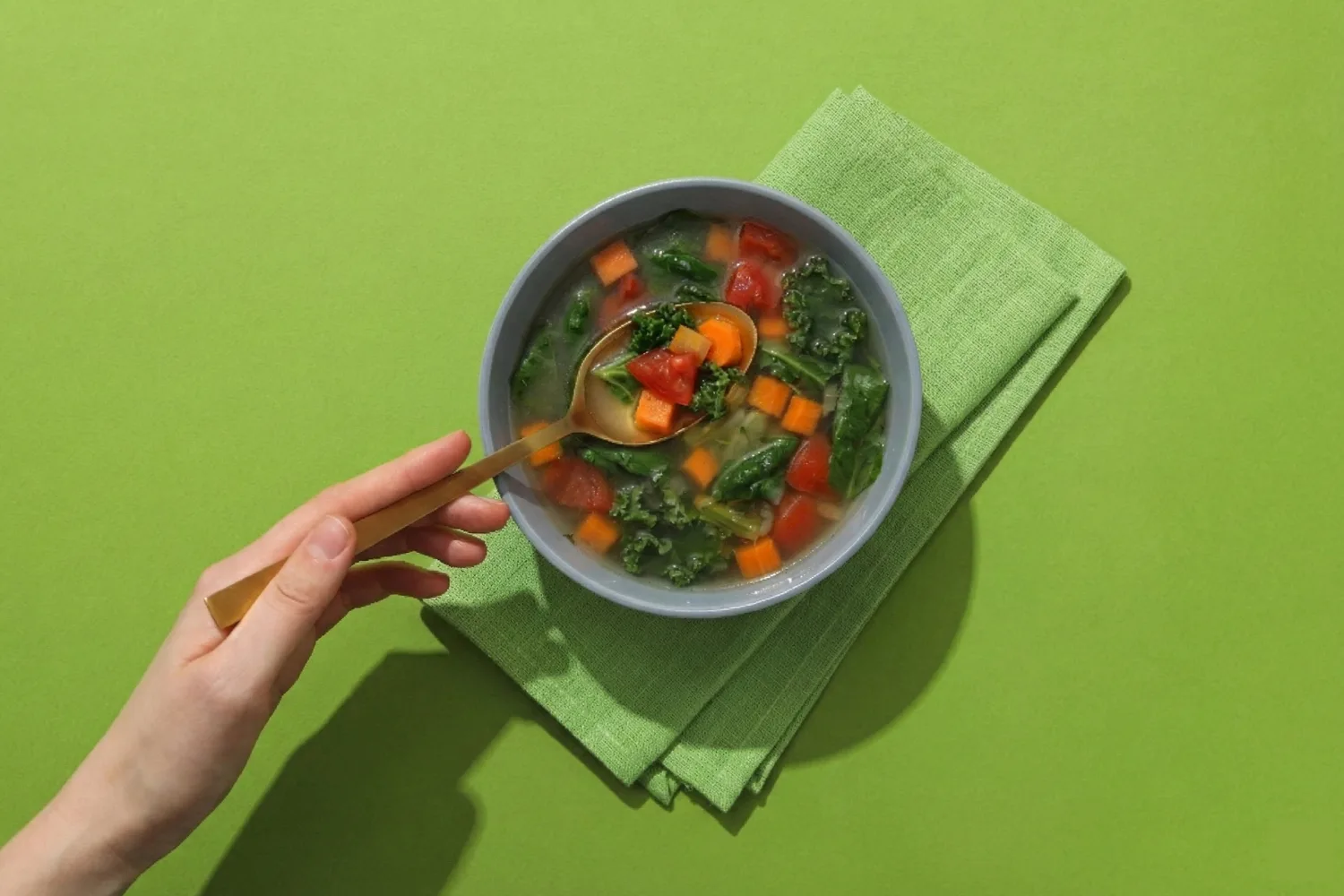
This soup provides antioxidants from vegetables and steady nourishment from lentils. Warm liquids are easy to digest and comforting in colder weather.
Ingredients
- Lentils, 1 cup (cooked)
- Carrots, 1/2 cup (chopped)
- Tomatoes, 1/2 cup (diced)
- Leafy greens, 1 cup
- Garlic, 2 cloves
- Olive oil, 1 tbsp
- Water or broth, 3 cups
How to make
Heat oil in a pot. Add garlic and vegetables. Stir briefly. Add lentils and liquid. Simmer until soft. Add greens last and cook lightly.
Carrots, tomatoes, and leafy greens provide plant compounds that support immune wellness. Garlic and herbs add flavor while contributing natural antioxidants. Lentils offer plant-based protein and fiber, which support overall balance.
This type of soup works well as a lunch or light dinner. It can be made in batches and enjoyed throughout the week, making it practical during busy colder months.
Recipe 2: Roasted Vegetable Bowl with Red Onions
This bowl highlights one important antioxidant compound called quercetin. Quercetin is found in foods like red onions, apples, and berries. Red onions are especially rich in quercetin and easy to use in warm meals.
Ingredients
- Red onion, 1 small (sliced)
- Mixed vegetables, 2 cups
- Olive oil, 1 tbsp
- Cooked grains, 1/2 cup
- Salt and herbs, to taste
How to make
Toss vegetables with oil and seasoning. Roast until tender. Serve over warm grains and mix gently.
Roasting vegetables brings out natural sweetness and makes meals more satisfying in cold weather. When paired with whole grains and healthy fats, this bowl supports steady energy and immune wellness.
Including quercetin-rich foods like red onions helps add variety to antioxidant intake. These foods work alongside other nutrients to support the body’s natural immune.
This bowl is flexible. You can change vegetables based on what is in season, which helps maintain variety without extra effort.
Recipe 3: Cozy Apple-Cinnamon Oatmeal
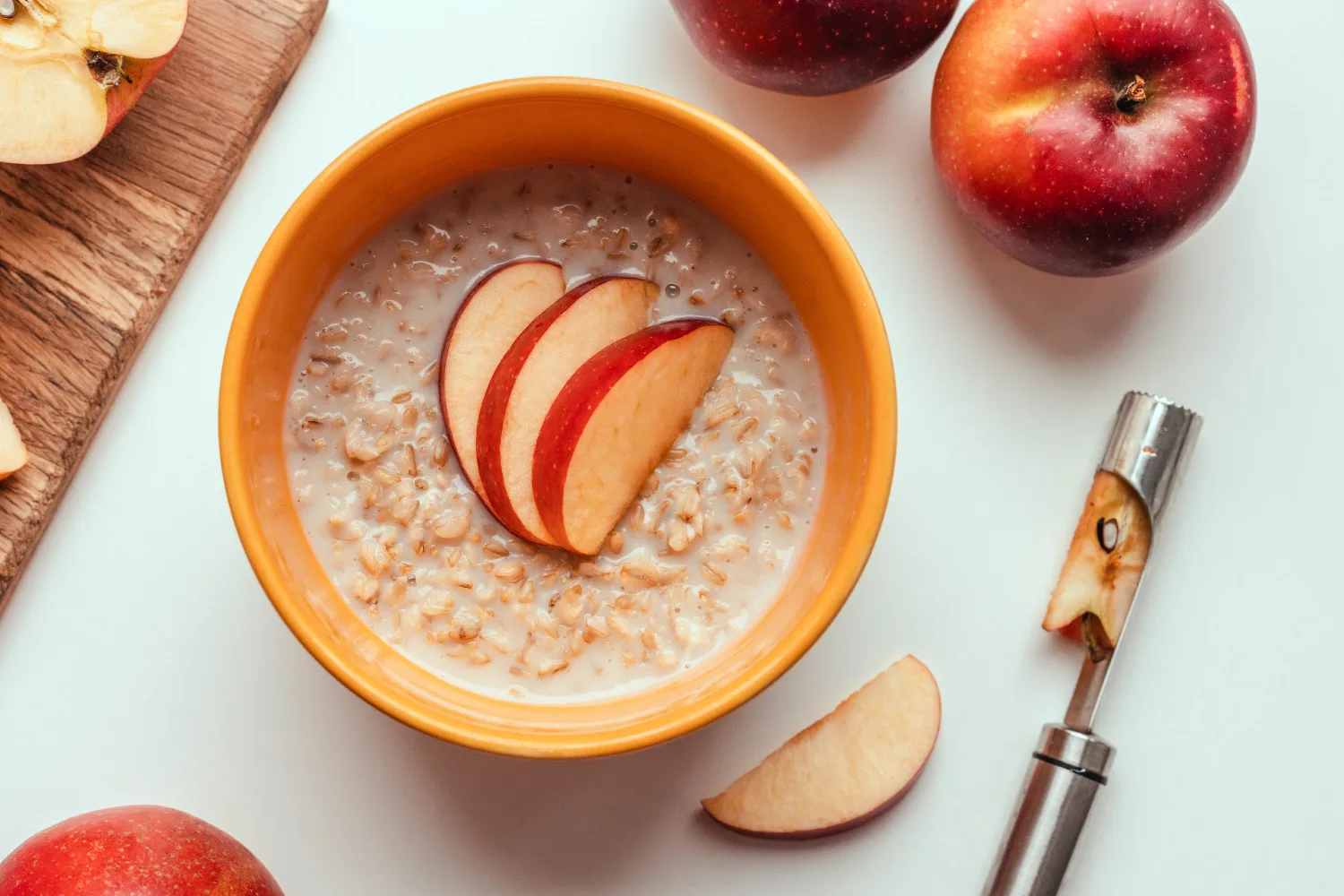
Warm breakfasts are often overlooked, but they play an important role in daily nutrition. This oatmeal includes apples, another quercetin-rich food, along with cinnamon and oats.
Ingredients
- Rolled oats, 1/2 cup
- Apple, 1 small (chopped)
- Cinnamon, 1/4 tsp
- Water or milk, 1 cup
How to make
Cook oats with liquid. Add apple and cinnamon. Simmer until soft. Stir and serve warm.
Apples provide plant compounds that support antioxidant intake. Cinnamon adds warmth and flavor while helping ease the need for added sugar. Oats offer fiber, which supports digestion and overall wellness.
This recipe works well on cold mornings when appetite may feel low. Starting the day with a warm, nourishing meal helps set a steady tone for energy and immune support.
Tips to Get More Antioxidants in Colder Weather
You do not need complicated meals to support immune wellness. Small changes can make a difference. Adding one colorful vegetable, using herbs and spices, or choosing fruit daily all help increase antioxidant intake.
Rotating ingredients keeps meals interesting and supports a wider range of nutrients. Warm cooking methods like roasting, simmering, and baking can make antioxidant-rich foods more enjoyable during colder months.
Final Takeaway
Colder weather places extra demands on the body. Supporting immune wellness does not require extreme changes. Simple, antioxidant-rich meals can help support balance and comfort throughout the season.
Warm recipes make it easier to eat well consistently. When antioxidant-rich foods like vegetables, apples, and red onions are included regularly, they support immune wellness in a natural, food-first way. Small daily choices add up over time.