

Introduction
“Ever thought your sleep struggles could be linked to your gut health?”
You might try turning off screens earlier or following a bedtime routine, yet still find that deep, refreshing sleep feels out of reach. What if the secret to better sleep is actually in your gut?
Your gut isn’t just about digestion. It is home to trillions of bacteria, known as your microbiome, and they play a role in everything from mood to immunity. And surprisingly, they also affect how well you sleep.
In this blog, we will explore how your gut and sleep are connected, along with five simple, science-backed ways to help balance your gut microbiome for better sleep. These simple daily habits can help you fall asleep easier, stay asleep longer, and feel more refreshed in the morning.
What Is the Connection Between Gut Health and Sleep?

Your gut and brain are like best friends who communicate all the time through a special connection called the gut-brain axis. Through nerves, hormones, and chemical signals, your gut microbiome can influence your mood, stress levels, and even sleep quality.
One of the key players here is serotonin, a “feel-good” hormone. Around 90% of your serotonin is made in your gut, and your body uses this serotonin to produce melatonin, the “sleep hormone” that tells your body it’s time to rest.
If your gut is out of balance from poor diet, stress, or any medications, it can affect your ability to make the hormones that support sleep. That means you might feel more anxious, wired at night, or find it harder to fall into deep, restful sleep.
5 Simple Gut Health Habits to Support a Good Night’s Sleep
Ready to support your gut and restore your sleep—naturally? These five simple habits can help nourish your microbiome and support more restful nights.
1. Eating Fermented Foods for a Serotonin Lift

Fermented foods contain natural probiotics, which are live bacteria that help keep your gut balanced with healthy gut microbiome. When your gut has diverse “good” bacteria, it can help produce more of the calming neurotransmitters your body needs to sleep well.
Try adding these to your daily meals:
- Plain yogurt with live cultures
- Kefir (a drinkable fermented milk)
- Sauerkraut or kimchi
- Miso or tempeh
- Pickles (fermented in brine—not vinegar)
Start with small amounts if your gut isn’t used to them. Too much at once can sometimes cause bloating.
2. Feeding Your Gut with Prebiotic Fiber
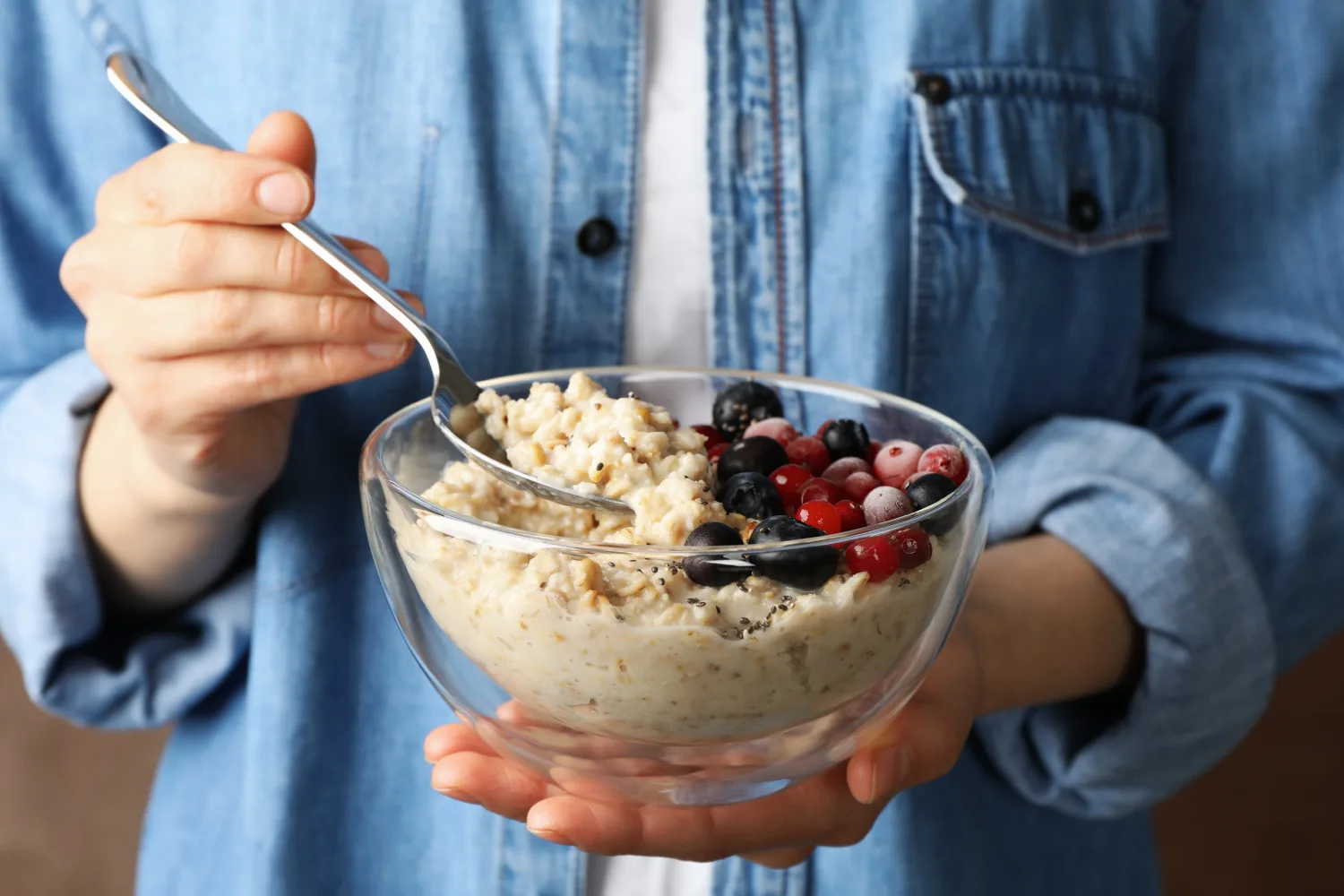
Think of prebiotics as food for your good gut bacteria. They are a type of fiber that your body cannot digest, but your gut microbes can. When these bacteria digest fiber, they produce short-chain fatty acids (SCFAs). Research suggests SCFAs play a role in supporting sleep by influencing the gut-brain axis and production of serotonin.
Easy sources of prebiotic fiber:
- Oats
- Onions and garlic
- Bananas
- Asparagus
- Apples
- Flaxseeds
Try including at least one prebiotic-rich food with each meal. Bonus: it also supports regular digestion and less bloating.
3. Cutting Down on Sugar & Alcohol Before Bed
Sugar and alcohol may seem relaxing, but they can disturb your gut, and your sleep.
Excess sugar feeds the bad bacteria, leading to imbalance in healthy microbiome. Alcohol can alter the healthy level of balanced microbiome.
Try this:
- Avoid dessert or sweetened drinks 2–3 hours before bedtime
- Limit alcohol to earlier in the evening or skip it altogether on weekdays
- A warm cup of herbal tea, like chamomile or peppermint.
Over time, your gut and your sleep may feel more stable and calmer.
4. Timing Your Meals to Sync Your Gut’s Clock
When you eat matters just as much as what you eat. Eating heavy meals late can affect how well your microbes do their job, including helping with the signals that guide your sleep cycle. As a result, this can make it harder for your body to settle into restful sleep
- Finish your last meal 3 hours before bed.
- Choose gut-friendly options like a light salad with prebiotic veggies.
- Skip late-night snacks to let your gut rest.
- Pro tip: Set a phone reminder to stop eating by 8 p.m. for consistency.
5. Giving a Try a Gentle Probiotic or a Complete Gut Support Formula
Sometimes your gut needs extra support — especially after stress, travel, illness, or poor eating habits. A probiotic with targeted strains, such as Lactobacillus rhamnosus and Bifidobacterium lactis, may help restore balance, support natural sleep rhythms, and aid gut–brain communication.
You can also explore a complete gut support formula that combines core nutrients — such as prebiotics, probiotics, and postbiotics. Together, these ingredients work to feed good bacteria, add beneficial strains, and support a balanced gut environment that can also benefit your sleep cycle & overall wellness.
Smarter Way to Track Your Sleep Progress
The best way to know if these routines are working is to keep a simple sleep log. Each night, note down:
- What time you went to bed
- How many times you woke up
- How rested you felt in the morning (on a 1–5 scale)
Try adding one or two simple practices at a time and track for 7–10 days. Small changes, like falling asleep faster or waking up fewer times show you are on the right path.
Final Takeaway
Your gut does more than digest food, it helps regulate your brain, hormones, and sleep patterns. If you have been chasing better sleep without success, it may be time to look inward, starting with your gut. By supporting your microbiome with the right foods, gentle supplements, and daily habits, you can help unlock the deeper, more restful sleep you have been missing.
Start with just one or two of the habits above and build from there. Your gut and your body will thank you.