

Introduction
“Menopause fatigue is real, but simple nutrition changes can make a noticeable difference.”
Many women notice sudden tiredness, low motivation, and afternoon energy crashes during this stage of life. Hormonal shifts can affect sleep, mood, metabolism, and how the body uses nutrients. The good news is that simple food choices can support steady energy. This easy seven-day meal plan focuses on balanced nutrition, helping you nourish your body while supporting consistent vitality each day.
Why Nutrition Matters During Menopause
During menopause, estrogen levels change, influencing how the body manages glucose and energy production. When meals lack protein, fiber, or healthy fats, energy can rise quickly and fall just as fast, leading to fatigue. Balanced meals slow digestion and provide steady fuel for muscles and the brain. Nutrients such as B vitamins, iron, magnesium, and omega three fats help the body convert food into usable energy, supporting daily activity and mental focus.
Key Foods That Support Energy
- Energy supporting meals include lean proteins like eggs, fish, beans, and yogurt, which help maintain muscle strength and keep you full longer.
- Whole grains such as oats, brown rice, and quinoa release energy slowly, easing sudden crashes.
- Leafy greens, berries, nuts, and seeds supply antioxidants and minerals that support cellular function.
- Healthy fats from avocados, olive oil, and walnuts also help the body absorb vitamins needed for sustained vitality.
7 Day Meal Plan to Restore Energy
The following simple plan offers balanced meals designed to support energy. Portions can be adjusted based on individual needs, but each day includes protein, fiber, and healthy fats. Drinking enough water and limiting added sugars can further help maintain steady vitality.
Day 1
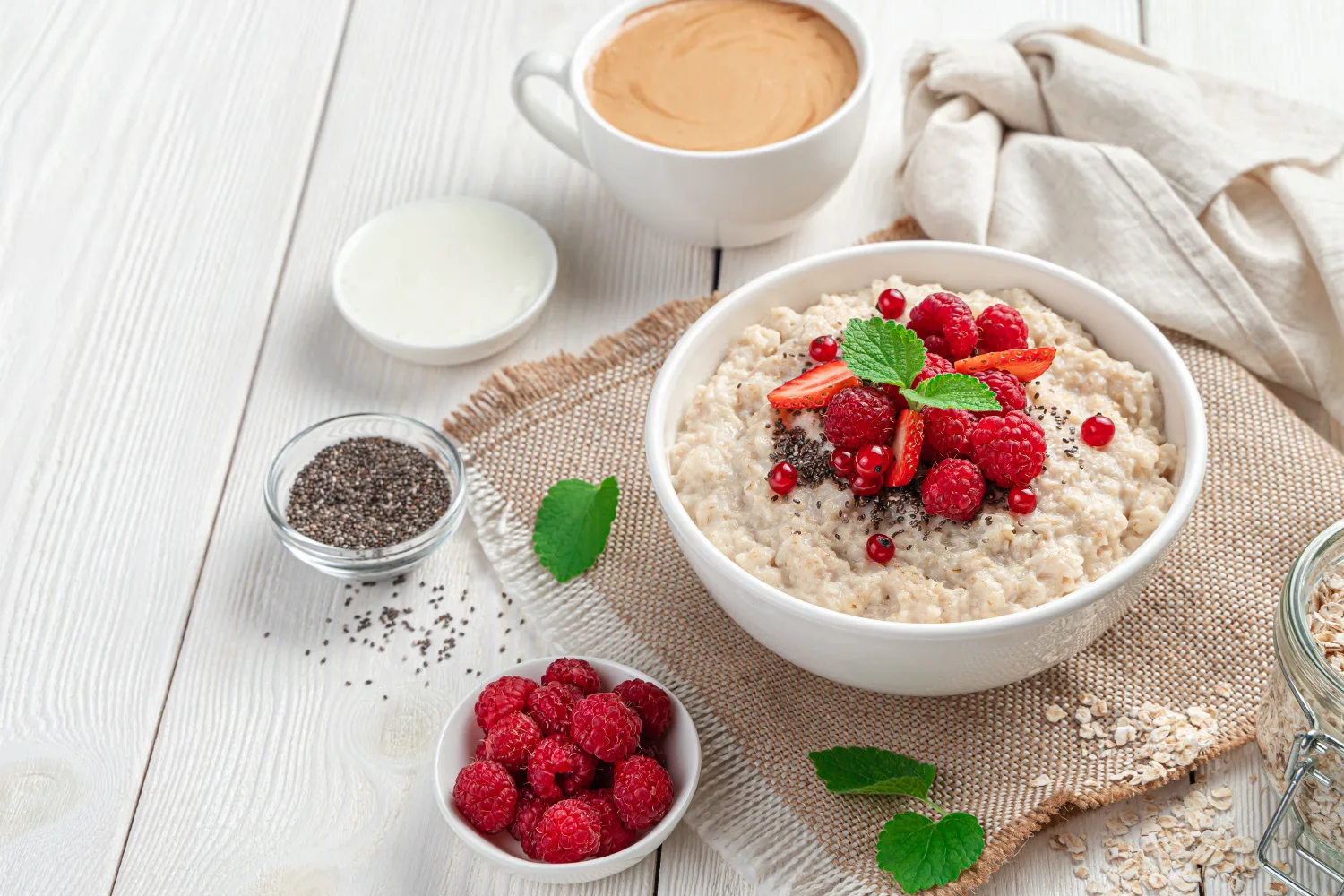
- Breakfast: Oatmeal with berries and nuts
- Lunch: Grilled chicken salad with mixed vegetables
- Snack: Yogurt with seeds
- Dinner: Salmon with roasted vegetables
How it helps:
Balanced fiber, protein, and omega-3 fats help support steady energy and ease afternoon tiredness.
Day 2
- Breakfast: Eggs with whole grain toast
- Lunch: Lentil soup with side salad
- Snack: Fruit with almonds
- Dinner: Stir-fried tofu with brown rice
How it helps:
Plant proteins, whole grains, and healthy fats help maintain stable glucose for longer-lasting vitality.
Day 3
- Breakfast: Spinach smoothie with protein powder
- Lunch: Quinoa vegetable bowl
- Snack: Hummus with carrots
- Dinner: Baked fish with leafy greens
How it helps:
Iron-rich greens and protein-rich meals help support oxygen delivery and daily stamina.
Day 4
- Breakfast: Greek yogurt parfait with granola
- Lunch: Turkey whole grain wrap
- Snack: Trail mix
- Dinner: Vegetable pasta with olive oil
How it helps:
Probiotic foods and balanced carbohydrates support digestion and steady energy release.
Day 5
- Breakfast: Chia pudding with fruit
- Lunch: Chickpea salad
- Snack: Apple slices with peanut butter
- Dinner: Grilled shrimp with quinoa
How it helps:
Fiber-rich seeds and legumes help maintain fullness while supporting consistent energy levels.
Day 6
- Breakfast: Vegetable omelet
- Lunch: Brown rice bowl with beans
- Snack: Cottage cheese
- Dinner: Roasted chicken with sweet potatoes
How it helps:
High-protein meals help support muscle strength and sustained daily activity.
Day 7
- Breakfast: Whole grain pancakes
- Lunch: Tuna salad with vegetables
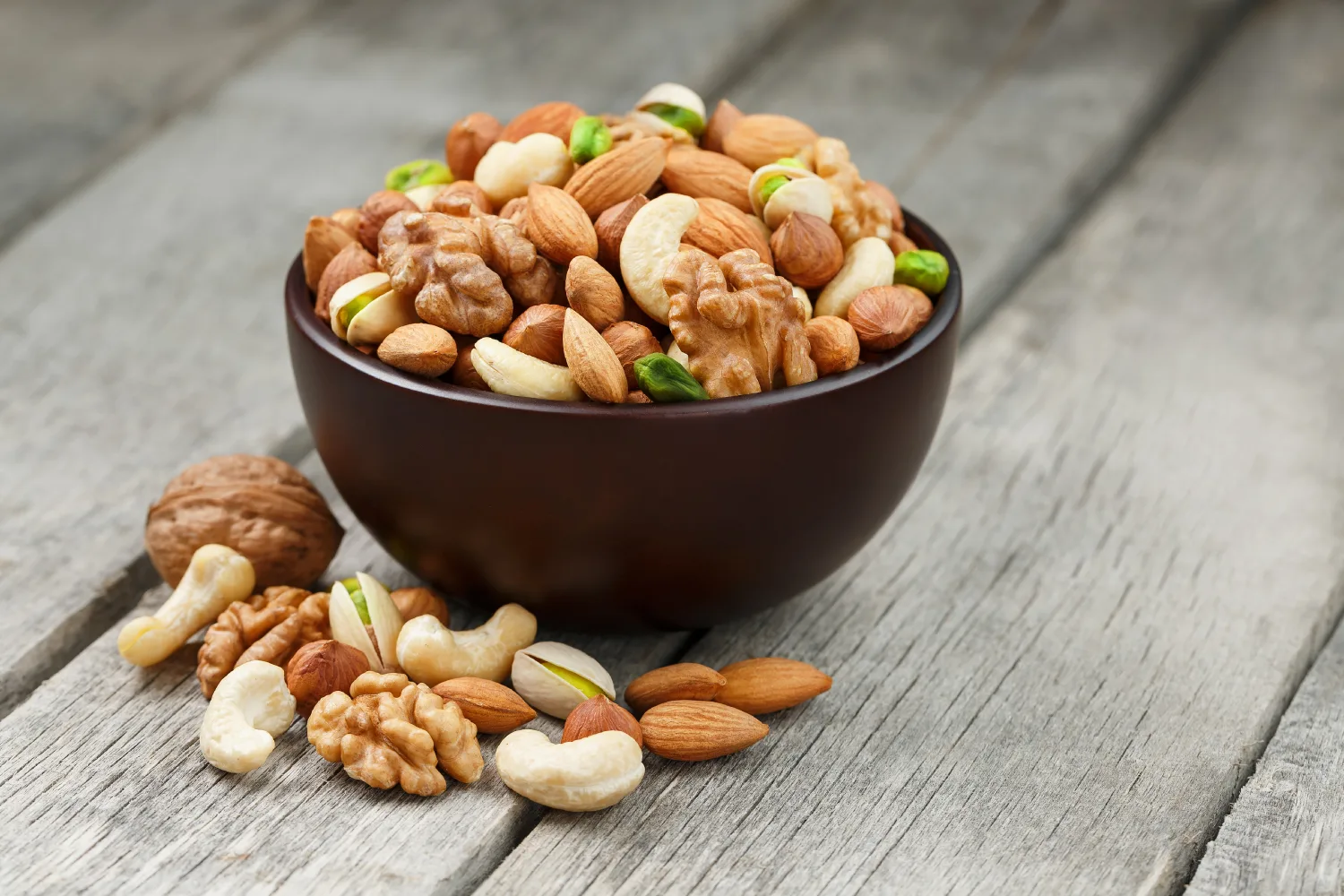
- Snack: Mixed nuts
- Dinner: Lentil curry with vegetables
How it helps:
Balanced plant proteins, whole grains, and healthy fats help restore weekly nutrient balance and support overall vitality.
How to Start the Seven Day Plan
Begin by choosing a day to shop and prepare key ingredients. Cook a batch of whole grains, chop vegetables, and portion snacks so meals are ready when hunger appears. Keeping healthy options visible at home and work reduces the temptation to skip meals or rely on sugary snacks. Tracking how you feel each day can help you notice gradual energy changes, motivating you to continue nourishing your body with balanced foods.
Simple Habits That Support Better Outcomes
- Eating at regular times helps the body maintain steady glucose, easing sudden tiredness.
- Pairing carbohydrates with protein help slow digestion and supports longer lasting energy.
- Gentle daily movement, such as walking or stretching, also helps circulation and oxygen delivery to tissues.
- Good sleep routines, including limiting caffeine late in the day and keeping a consistent bedtime, further enhance the benefits of nutritious meals.
When Supplements Help
Some women may still feel low energy due to nutrient gaps. In such cases, most women consider supplements that provide magnesium, vitamin D, and herbs that support hormonal balance. Quality menopause support formulas often combine key nutrients that help support metabolism, muscle function, and overall vitality. Choosing products tested for purity, clear labeling, and good manufacturing standards can help ensure dependable daily support.
Final Takeaway
Menopause fatigue can feel frustrating, yet consistent nutrition changes can make a meaningful difference. A balanced meal pattern that includes protein, whole grains, vegetables, fruits, and healthy fats supports steady energy throughout the day. Starting with a simple seven day plan makes healthy eating easier and builds lasting habits. Over time, these small steps help the body maintain better stamina, supporting active routines and improved overall wellness. Consistent nourishing meals build lasting strength, helping women move through menopause with steadier energy, confidence, and daily comfort and resilience today.