

Introduction
“Think skincare stops at creams and SPF? The real secret lies in a tiny mineral that works from the inside out.”
Every day, your skin manages oil, renews cells, and faces the sun, pollution, and stress—all without taking a break. While moisturizers and sunscreen help on the outside, there’s one nutrient that works from within to support it all: zinc.
Zinc is often known for immune support, but it Is also a behind-the-scenes mineral that helps your skin stay balanced, and resilient. It also supports from how oily your skin feels to how firm it looks and how it responds to daily sun stress
3 Surprising Ways Zinc Supports Skin Health
1. Helps Keep Skin Oil in Balance

If your skin feels greasy by noon or tight after washing, your oil balance might be off. Your skin naturally produces oil, called sebum, which helps keep it soft and protected. But when oil production goes into overdrive, it can leave skin looking greasy and uneven.
This is where zinc comes in. Zinc helps the activity of oil-producing glands, supporting a more balanced look. When your body has enough zinc, it helps your skin maintain a healthy oil rhythm—meaning your skin feels smoother and more even, without that constant “shine or dryness” struggle.
Zinc also supports the skin barrier, the outer layer that keeps moisture in and irritants out. A strong barrier means fewer sudden breakouts or rough patches. Think of it as zinc helping things stay balanced, not extreme.
Daily support tip:
- Eat zinc-rich foods like pumpkin seeds, lentils, eggs, and poultry.
- A gentle zinc supplement can help fill any dietary gaps.
2. Supports Firmness Through Collagen Pathways

One of the biggest concerns as we age is skin losing its firmness and bounce. Collagen—a protein that gives skin its structure—is central to keeping skin smooth and elastic. But collagen is not made on its own. It requires the right nutrients to keep the process going.
Zinc is one of those nutrients. It plays a role in protein synthesis, including the processes that influence collagen production. While zinc itself does not create collagen, it helps the body carry out the natural steps needed to maintain firmness and elasticity.
Zinc also plays a part in how your body repairs everyday wear and tear on the skin. When combined with vitamin C and adequate protein, zinc helps keep the skin’s natural process running smoothly.
Daily support tip:
- Pair zinc with vitamin C-rich foods (like citrus or bell peppers) for better collagen support.
- Stay hydrated and get enough rest—your body builds collagen while you sleep.
3. Helps Skin Cope with Everyday Sun Stress
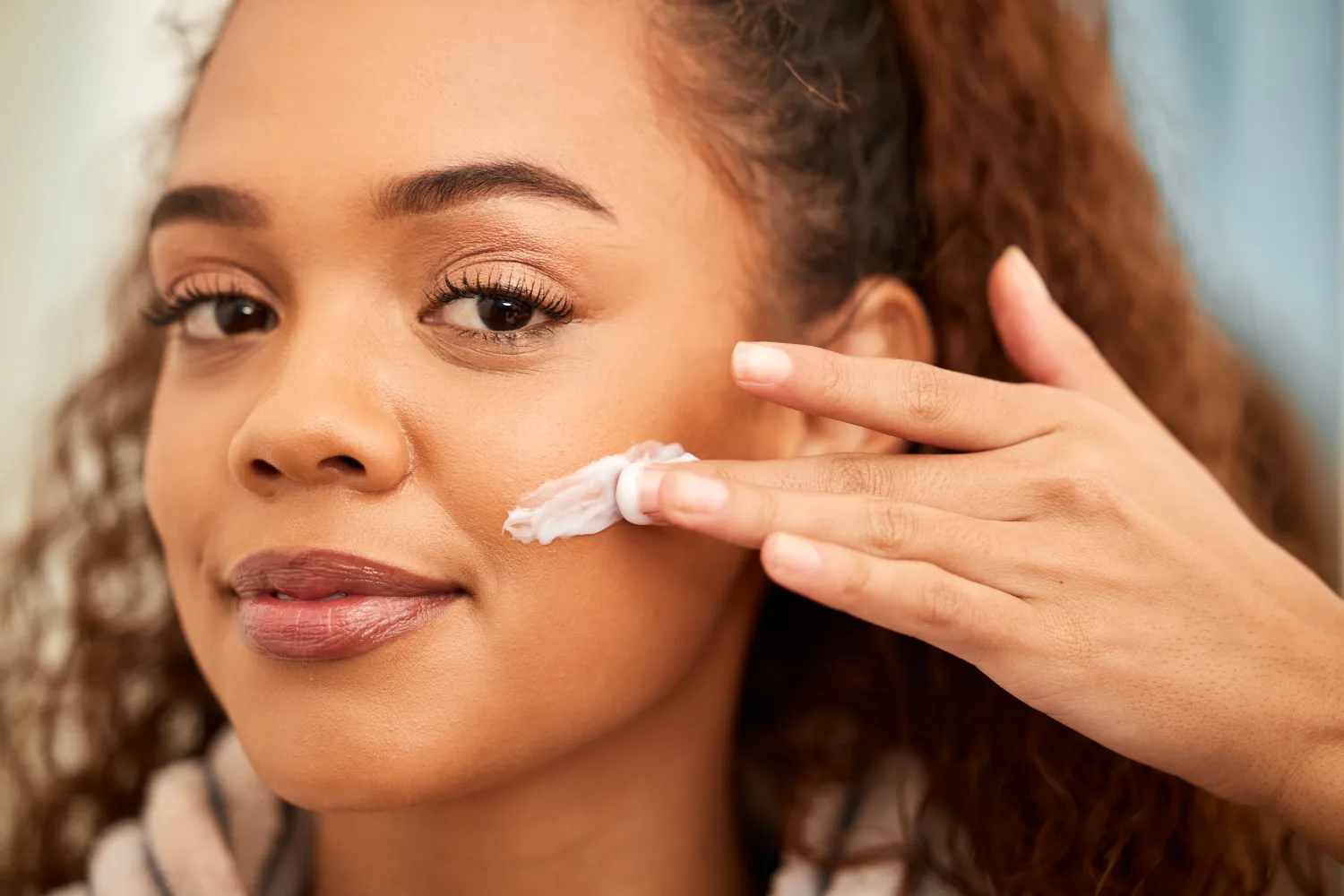
Even when you use sunscreen (and you should), UV rays and pollution can create oxidative stress—tiny reactions in the skin that lead to dullness or premature aging over time.
Zinc supports the body’s antioxidant defense system, helping neutralize free radicals before they can damage healthy skin cells. In simple terms, zinc gives your skin backup protection against daily sun exposure and environmental stressors.
It also contributes to keeping your skin calm and less reactive after being outdoors. While zinc does not replace sunscreen, it works as an inner layer of support.
Daily support tip:
- Use broad-spectrum SPF during the day, then nourish your skin from within with zinc and antioxidant-rich foods (berries, leafy greens, and green tea).
- Stay consistent—skin benefits from zinc build up with daily use, not one-time doses.
Getting Enough Zinc the Smart Way
The daily recommended value (DV) for zinc is about 11 mg for adult men and 8 mg for adult women, according to the National Institutes of Health. Many people can meet their needs through diet, but gaps are common—especially for those who eat little seafood or avoid animal proteins.
A high-quality zinc supplement can help fill in those gaps. Look for products that clearly list the form of zinc (such as zinc monomethionine, zinc gluconate or zinc citrate), show %DV per serving, and are made in GMP-certified facilities. Third-party testing adds another level of trust, ensuring purity and potency.
For topical care, zinc oxide and zinc PCA are common forms used in skin products. Each serves a different role—zinc oxide in sunscreens for protection, and zinc PCA in serums for oil balance.
Safety First
Zinc is safe when taken as directed. Very high doses over time may interfere with copper levels in the body. Always follow label directions, and do not exceed the suggested serving size unless directed by a healthcare professional.
If you are pregnant, nursing, taking medication, or planning zinc supplements for children, consult your healthcare provider first.
Final Takeaway
Zinc does not get the spotlight like collagen powders or vitamin C serums, but it quietly supports three powerful skin benefits: balancing shine, maintaining firmness, and helping skin cope with sun stress. By adding zinc-rich foods to your meals—or considering a high-quality supplement—you give your skin the inside-out support it needs to look and feel its best.